
Insights · November 28, 2024
What Does 2025 Hold for the Real Estate Market?

As we step into 2025, the real estate market continues to be a focal point for investors and homeowners alike. Following years of dynamic shifts fueled by economic trends, technological advancements, and evolving consumer preferences, this year promises to bring both challenges and opportunities. Let’s explore the key trends and potential shifts that could shape the real estate landscape in 2025 for active and passive investors alike.
1. Rising Interest Rates and Their Impact
For prospective homebuyers, this means higher mortgage costs, which could cool demand in certain markets. Additionally, high-yield private debt investments tied to real estate could become an appealing alternative for investors looking to capitalize on the lending gap created by these rate increases. On the flip side, real estate investors who invest actively in sectors like rental housing may see increased demand as potential homeowners opt to rent instead of buy.
How Investors Can Prepare:
- Focus on cash-flow-positive properties to offset higher borrowing costs if actively investing.
- Consider alternative investing platforms or partnerships to mitigate interest rate impacts.
2. The Continued Growth of Build-to-Rent Communities
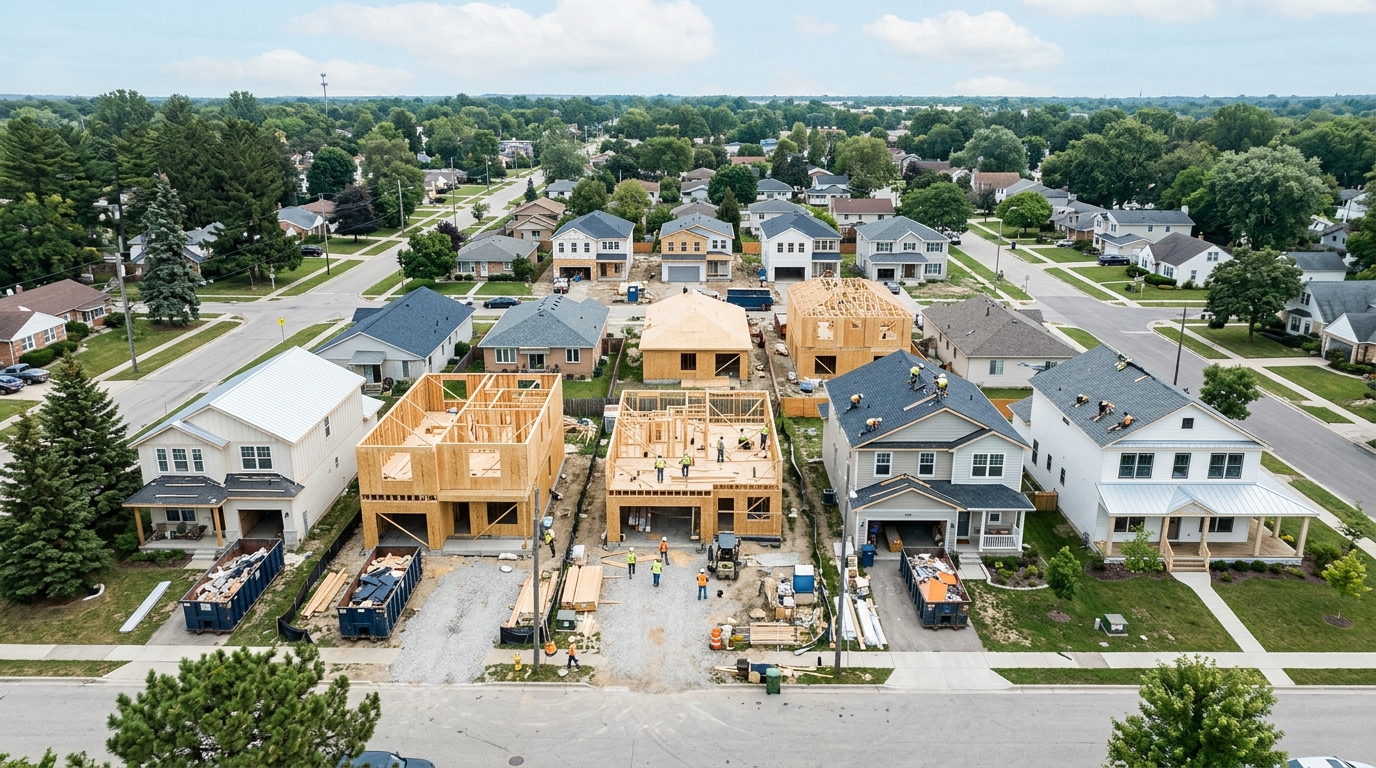
Build-to-rent (BTR) communities gained significant traction in recent years and are expected to thrive in 2025. These developments cater to the growing number of renters seeking high-quality, amenity-rich housing without the commitment of ownership. With affordability challenges persisting, BTR properties represent a lucrative opportunity for developers and investors.
Key Takeaway:
Investors should consider the long-term potential of BTR projects in suburban and emerging markets where demand remains strong.
3. Technology Revolutionizing Real Estate
technology is streamlining processes, reducing costs, and enhancing transparency for both buyers and sellers. Furthermore, platforms are incorporating high-yield private debt opportunities into their offerings, giving investors a chance to earn substantial returns while supporting real estate projects.
Notable Trends:
- Virtual reality (VR) and augmented reality (AR) for property tours.
- Increased use of data analytics to identify emerging market opportunities.
- Platforms like Finresi offering seamless access to alternative investments, such as hard money loans.
4. Sustainability as a Driving Force
Sustainability has moved from a buzzword to a necessity in real estate. Governments and consumers alike are demanding eco-friendly building practices and energy-efficient properties. In 2025, properties with green certifications or renewable energy features are likely to command higher premiums and rental income.
What to Watch For:
- Tax incentives for green construction.
- Increased adoption of solar energy and net-zero building designs.
5. Urban Migration Patterns and the "15-Minute City"
While suburban migration spiked during the pandemic, urban living is seeing a resurgence. The "15-minute city" concept - where residents can access work, amenities, and leisure within a 15-minute radius - is shaping urban planning and development. Investors and developers should focus on mixed-use properties and urban hubs that prioritize convenience and walkability.
Hot Markets:
Cities with robust public transportation systems and policies that support mixed-use zoning will likely attract significant investment.
6. The Resurgence of Commercial Real Estate
Demand for flexible office spaces, industrial properties (driven by e-commerce), and mixed-use developments is expected to rise. High-yield private debt focused on commercial real estate projects could also offer investors robust returns while addressing financing needs in this sector. However, traditional retail spaces may continue to struggle unless they adapt to experiential offerings.
Investor Strategies:
- Diversify CRE portfolios to include high-demand sectors like industrial and healthcare properties.
- Explore adaptive reuse projects for underperforming retail or office spaces.
Conclusion: Positioning Yourself for Success in 2025
The real estate market in 2025 is set to be a dynamic blend of challenges and opportunities. By staying informed and adaptable, investors can navigate interest rate fluctuations, capitalize on technology and sustainability trends, and tap into emerging market segments. Platforms like Finresi are well-positioned to guide investors through these changes, offering innovative ways to access real estate opportunities and maximize returns.
**Looking to take advantage of 2025’s real estate trends? Explore how Finresi can help you achieve your real estate investing goals. **Get started today!
Keep reading
 Insights
The Finresi Fund: A Deep Dive into Diversified Real Estate Debt Investing in 2026
The Finresi Fund is a pooled real estate debt vehicle giving accredited investors diversified exposure to private loans, including fix-and-flip, bridge, and construction financing. It offers passive income through interest distributions while spreading default risk across an entire loan portfolio.
 Insights
A Look Inside a Live Deal: Anatomy of a Fix-and-Flip Loan Investment
Fix-and-flip loan investments give accredited investors a first lien position on short-term real estate debt, typically yielding 8–12% annually. Walk through a live deal to see exactly how capital is deployed, protected, and returned.
