
Insights · July 15, 2024
Passive Income Strategies: Airbnb vs. Traditional Rentals
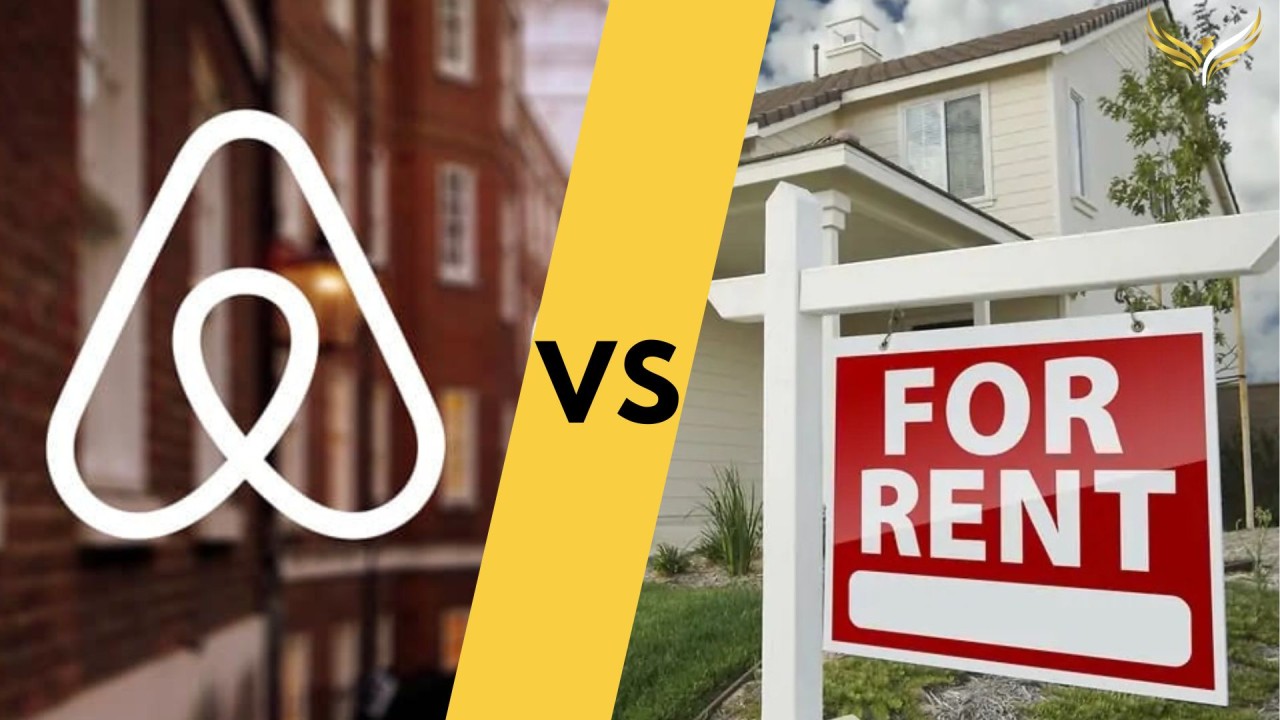
For generations, one of the tried-and-true passive income strategies has been investing in real estate and leasing properties to long-term tenants. Now there’s another way to build wealth: through short-term vacation rentals, with Airbnb leading the charge. Both strategies have their own merits and drawbacks, and choosing between them depends on numerous factors. If you’re thinking about generating passive income with real estate, here’s a closer comparison of Airbnb and traditional rentals.
Airbnb: the modern-day disruptor
Airbnb and similar short-term rental platforms have profoundly impacted the real estate market, offering owners fresh passive income strategies. Here’s what makes it so attractive:
Significant earning potential
In popular locations, Airbnb rentals can generate significantly more income than traditional rentals. This is due to an owner’s ability to charge premium nightly rates, especially during peak seasons or significant events, leading to higher returns.
Flexible pricing model
Hosts can adjust their prices based on demand, local events, and seasons. This dynamic pricing maximizes income during high-demand periods and lures in guests during slower, off-season times.
Convenient usage
With Airbnb, hosts can select their rental period, whether it's for a long weekend or a month. This flexibility is hugely attractive to those seeking to enjoy their properties while still earning passive income.
Traditional rentals: proven and reliable
There’s a reason why traditional rentals have been among the staple passive income strategies for generations, from seasoned real estate investors to newbies. Here are some of the key advantages:
Steady income
Perhaps the most significant benefit of traditional rentals is the consistency of income. With a long-term rental comes a long-term lease agreement, and you can count on steady cash flow as a landlord. Predictability is good, especially when budgeting or planning for future renovations.
Less involvement
Traditional rentals typically require less interaction, communication, and day-to-day involvement. Plus, there isn’t frequent turnover or near-daily cleaning. This can make traditional rentals one of your truly passive income strategies.
Tenant consistency
Once you’ve found dependable tenants, they may stay for years on end. This means reduced vacancies and the costs associated with finding new renters.
Find the proper fit with a few considerations
Financial implications
Your initial investment may be higher with Airbnb because the property needs to be furnished and equipped with amenities that guests are searching for. These short-term rentals often have higher operational costs from frequent cleaning, restocking, and possible property management fees. However, the earning potential has an attractive upside.
On the other hand, traditional rentals are usually rented out unfurnished, lowering initial costs. Plus, they often have lower operational costs due to tenants being responsible for cleaning, utilities, and general maintenance.
Time commitments
Managing an Airbnb can be time-consuming because the property must always be guest-ready. You can opt for property management services to save time and effort, but this may reduce your profits.
A traditional rental is generally less demanding, but the time spent screening tenants, managing leases, and addressing maintenance issues can creep up. These tasks are often less frequent and can also be handled by property management in exchange for a fee.
Market factors
The success of traditional rentals and Airbnb as passive income strategies heavily depends on location. Are you in a hot spot or off the beaten path?
Airbnb thrives in areas with frequent events, city centers, and tourist destinations, while traditional rentals are more suitable for residential neighborhoods or suburbs.
Local regulations also play a role, and many cities are beginning to implement laws on short-term rentals. While traditional rentals face fewer regulatory hurdles, they are still subject to landlord-tenant laws.
Risk assessments
Every investment carries risk, and real estate is no exception.
Airbnb properties may face higher vacancy rates, primarily during off-seasons in their locations. Traditional rentals offer more consistency in occupancy but can suffer significant losses if tenants are absent for an extended period.
The Airbnb short-term market can be more volatile, affected by factors such as economic conditions and travel trends. At the same time, traditional long-term rentals tend to be more resilient to short-term market fluctuations.
A blend may be the best choice
Ultimately, your preferences, financial aims, risk tolerance, and time availability weigh heavily when choosing between Airbnb and Traditional Rentals. A balanced blend of both could also be the golden ticket, diversifying your portfolio and mitigating the stresses of the market. Remember, a clear understanding of your goals is the key to unlocking the door to successful passive income strategies, particularly in real estate.
Want to explore other passive investment opportunities? Open an account with Finresi today to see how you can earn up to 12% APY without lifting a hammer!
Keep reading
 Insights
The Finresi Fund: A Deep Dive into Diversified Real Estate Debt Investing in 2026
The Finresi Fund is a pooled real estate debt vehicle giving accredited investors diversified exposure to private loans, including fix-and-flip, bridge, and construction financing. It offers passive income through interest distributions while spreading default risk across an entire loan portfolio.
 Insights
A Look Inside a Live Deal: Anatomy of a Fix-and-Flip Loan Investment
Fix-and-flip loan investments give accredited investors a first lien position on short-term real estate debt, typically yielding 8–12% annually. Walk through a live deal to see exactly how capital is deployed, protected, and returned.
