
Insights · November 4, 2024
Invest in Land Online: A Guide to Smart Digital Investments

Investing in land online has become an exciting opportunity for those interested in expanding their real estate portfolios. With advancements in technology, potential investors now have direct access to a wide range of land investments from the comfort of their homes. Investing in land can be a smart move as it offers long-term value, potential appreciation, and a tangible asset.
Real estate experts note that investing in land is not just about buying property; it's about choosing the right location and understanding market trends. Online platforms allow investors to research and analyze these factors effectively. This makes it easier to make informed decisions that align with personal financial goals.
Many find that investing in land offers unique opportunities compared to traditional real estate options like homes or commercial buildings. Land is often more affordable and requires less maintenance, which appeals to both seasoned investors and newcomers. With accessible online tools and resources, anyone can explore this intriguing area of investment.
Benefits of Investing in Land
Investing in land offers several potential perks like capital growth, stable returns, and extra income streams. It's an attractive option for those looking to strengthen their financial strategies. Here’s what makes this asset class appealing:
Capital Appreciation and Asset Growth
Land can increase in value over time. As urban areas expand, demand for land rises. Investors may see significant gains, particularly if they invest in rapidly growing regions. Land often becomes more desirable, pushing prices up. Unlike other resources, land isn’t created. This scarcity factor makes it an enticing choice for long-term growth. Weather, location, and regulations impact its worth, so thorough research is crucial.
Diversification of Investment Portfolio
Owning land enhances portfolio diversity. Real estate provides a buffer against stock market swings, which can be volatile. By including land in their portfolios, investors spread out risk. Diversification reduces dependency on any single market, leading to stability. It becomes an additional piece in their investment puzzle, adding another layer of security. Whether part of a larger strategy or a standalone asset, land contributes a unique balance.
Hedge Against Inflation
Land can serve as a hedge against inflation. Property values usually rise with inflation, maintaining buying power. Inflation reduces the value of money but tends to increase tangible asset worth. Thus, landowners benefit from both appreciation and retained value. As costs for housing and land grow, investing in land protects financial interests. It ensures that investor assets don’t lose real-world value over time.
Passive Income Opportunities
Land offers avenues for passive income. Leasing land to farmers, corporations, or even wind farms generates regular revenue. This can transform an otherwise static asset into a money-making resource. Urban plots might also offer opportunities for parking lots or billboard rentals. Creative use of land can provide enduring income streams, making it a compelling choice for investors seeking to bolster their income.
Understanding Land as an Investment
Investing in land can be a rewarding venture. It's important to consider different types of land investments, assess their market value, and pay attention to location and zoning.
Types of Land Investments
Land investments vary widely, and each type offers different opportunities. Vacant land is a popular choice since it's usually more affordable and can be developed later. Residential plots attract those interested in building homes, while commercial land is suited for businesses. Agricultural land is important for farming and often appeals to buyers looking for long-term growth.
Forest land might interest environmental investors or those interested in conservation. Choosing the right type depends on personal goals and resources. It's beneficial to understand what each option offers before making a choice.
Evaluating Land Market Value
The market value of land is influenced by several factors. Location is a key element - properties in desirable areas typically hold higher value. Growth potential and accessibility also play a significant role. Land with good infrastructure and proximity to amenities tends to appreciate faster.
Zoning regulations are crucial in determining a land's potential uses, which affects its value. Researching recent sales of similar lands nearby can help in evaluating. By analyzing these aspects, investors can make informed decisions and avoid overpaying.
The Importance of Location and Zoning
Location is one of the most critical considerations in land investment. It affects value, growth potential, and future returns. Land in areas with good schools, transportation, and employment opportunities usually has higher demand.
Zoning regulations determine what activities or buildings are allowed. They can restrict or enhance what can be done with the land. Understanding zoning is vital to ensure the intended use is permissible. Changes in zoning laws can also impact future development prospects, making this a key area to investigate.
Online Land Investment Process
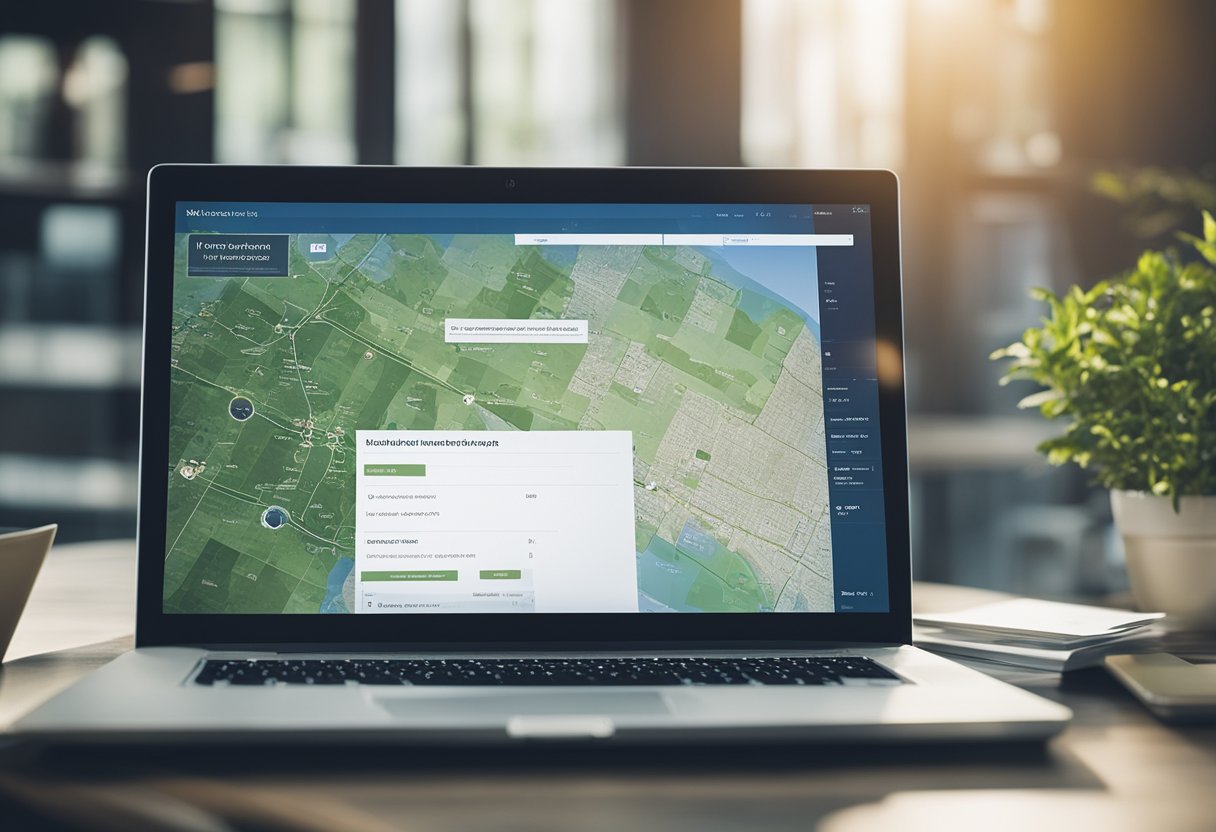
Investing in land online can be simple and efficient. This process involves research, using online platforms, and performing real estate transactions securely. Each step is crucial for a successful investment.
Research and Due Diligence
When investing online, it’s important to start with thorough research. Investors should check the land’s location, zoning laws, and any potential development plans. Accessing public records is a key part of due diligence.
Potential buyers might also want to visit online forums related to real estate. These forums often provide insights from other investors. Detailed maps and satellite images can offer a clearer view of the land’s features and surroundings. Using multiple sources of information reduces risks.
Navigating Online Platforms to Buy Land
Various online platforms offer opportunities to buy land. Sites like Zillow, Realtor.com, and specific land auction sites are popular choices. They allow investors to filter land options by size, price, and location.
It's important to compare prices from different platforms. Reading reviews about sellers or agents can help ensure reliability. Platforms often offer online tours or detailed photos, making it easier to assess the property remotely. Investors should also verify that the platform has secure payment methods.
Understanding Online Real Estate Transactions
Online real estate transactions involve secure financial processes. Buyers need to ensure the payment platform is safe. Title companies or escrow services are usually involved to control the funds until the property closes.
Contracts and agreements are typically signed digitally. It's crucial to understand contract terms, including any hidden costs or fees. Some states require notaries for specific legal documents, and online tools may offer virtual notarization services. Investing should always include verifying authenticity to avoid fraud.
Financial Strategies for Land Investors

Investing in land online can be profitable if approached with effective financial strategies. Consider cash flow, financing options, and long-term equity building to maximize returns and minimize risks.
Analyzing Cash Flow and Income Generation
Cash flow is vital for land investors. They should evaluate the potential for land to generate income. Leasing the land for agricultural use or renting out to businesses can provide steady cash flow.
Investors must calculate expected rental income against expenses like taxes and maintenance. It's important to assess local market demand. Understanding market trends helps in setting competitive rental prices.
Tracking expenses ensures the investment remains profitable. Tools like spreadsheets or software can help manage finances effectively. Planning for unexpected costs, like repairs, ensures smooth cash flow management.
Owner Financing and Creative Financing
Owner financing can create opportunities for both buyers and sellers. It's a method where the seller finances the purchase, allowing buyers to make payments over time. It benefits buyers with limited credit options.
Creative financing includes techniques like lease options or land contracts. These strategies offer flexibility and can attract more buyers. It also allows investors to tailor terms to suit both parties' needs.
These financing methods require clear agreements. A written contract detailing terms helps prevent disputes. Both parties should understand repayment plans and interest rates to ensure a successful transaction.
Equity Building and Long-Term Investment
Building equity takes time and patience. Equity is the difference between the land's value and what is owed on it. Increasing equity means increasing the land's value while reducing debt.
Investors can enhance land value through improvements like adding infrastructure. Over time, as land values appreciate, so does equity.
Long-term investment involves a strategic approach, focusing on future growth potential. Areas with strong economic development prospects or near expanding cities often see substantial appreciation in land value.
Holding land for the long term usually results in greater profits. It's crucial to research thoroughly to choose land in a promising location.
Land Development and Improvement

Investing in land can lead to gains if wisely developed and improved. Identifying potential, understanding development steps, and embracing sustainable methods are key. Each aspect plays a critical role in enhancing a property’s value and viability.
Assessing Development Potential
Evaluating land for development starts with understanding its potential uses. It's essential to look into zoning laws, which dictate what can be built. Factors like nearby infrastructure, road access, and location impact potential.
Market trends can influence value, so keeping an eye on current demands is crucial. Surveying the land’s topography and soil quality helps in determining what developments are possible. Experts often conduct feasibility studies to assess economic viability.
Navigating Land Development Processes
Developing land involves navigating a series of complex steps. It typically begins with obtaining the necessary permits from local authorities. These permits often depend on zoning laws and environmental regulations.
Developers must coordinate with architects and engineers to design structures. Throughout this process, understanding local building codes is crucial, as compliance ensures smooth progress. Collaboration with legal teams can help in tackling any unexpected hurdles.
Incorporating Sustainable Practices
Sustainability is becoming important in land development. Developers now consider eco-friendly building materials and energy-efficient designs. Solar panels and green roofs can reduce environmental impact and lower utility costs.
Water management solutions, like rainwater collectors, help conserve water. Choosing native plants for landscaping can reduce maintenance needs and promote biodiversity. Sustainable practices not only benefit the environment but also increase long-term profitability.
Selling and Flipping Land

Selling and flipping land can be a profitable venture if approached with the right techniques. This section covers strategies for flipping, ways to maximize profits, and tips for analyzing the market effectively.
Strategies for Land Flipping
Flipping land involves buying quickly, adding value, and reselling it for profit. Research is essential; understanding target areas can make or break a deal. Buyers often look for land in developing regions.
Improvements are another key tool. Minor changes, such as clearing debris, installing utilities, or planting trees, can attract buyers. It's often about making the land ready for construction.
Timing plays a crucial role. Buying when prices are low and selling during a market high ensures profit. Staying informed about local trends helps in making wise decisions.
Maximizing Profits From Land Sales
To maximize profits, sellers should focus on pricing. Competitive pricing based on recent sales in the area can attract more buyers. Overpricing deters buyers while underpricing reduces profit.
Proper advertising ensures maximum visibility. Use online platforms like real estate websites and social media to showcase land features. Professional photographs enhance appeal to potential buyers.
Negotiation skills are also vital. A skilled negotiator can close sales at optimal prices, securing a better return. Offering flexible terms might also entice buyers, such as financing options.
Market Analysis for Selling Land
Analyzing the market is critical before selling land. Location is a primary factor; proximity to amenities like schools and highways increases land value.
Understanding zoning laws is crucial since they dictate what can be built. Ensure the land meets buyer needs by confirming its intended use.
Studying economic trends helps predict future land value. A thriving local economy often signals rising land prices, while a downturn might lower demand. Keeping an eye on real estate reports and local news can provide valuable insights.
Leveraging Land Investments
Investing in land online provides unique opportunities in Real Estate Investment Trusts (REITs) and specific properties like timberland and specialty land parcels. These options offer different benefits and risks, enabling investors to diversify their portfolios effectively.
Real Estate Investment Trusts (REITs)
REITs allow individuals to invest in large-scale real estate indirectly. They own or finance income-producing properties, making them a practical way for investors to participate in real estate markets without direct ownership. REITs offer liquidity since they trade on major exchanges like stocks.
These trusts pay dividends from earnings, maintaining a steady income stream. By diversifying across properties, investors can manage risk. It's crucial to evaluate REIT types: Equity REITs own properties, while Mortgage REITs finance property deals. Understanding these differences helps in making informed choices.
Advantages of REITs include lower entry costs and professional management. They provide investment exposure to real estate assets like apartment buildings, warehouses, and commercial spaces. The structure of REITs, with requirements for income distribution, remains attractive to many investors.
Investing in Timberland and Specialty Land Parcels
Investing in timberland involves acquiring land where trees are grown for commercial production. Timberland offers long-term gains due to the value of timber as a renewable resource. These investments can provide diversification while also acting as a hedge against inflation.
Specialty land parcels include areas like vineyards, farmland, and conservation areas. Each offers unique investment potential based on agricultural output, environmental considerations, or recreational use. These parcels often require detailed research to understand specific regulatory concerns and market demands.
Owning these lands can offer potential tax benefits but may also involve challenges such as managing natural resources and understanding local zoning laws. It is crucial to assess long-term market trends to optimize returns from these niche markets.
Risks and Challenges of Land Investments
Investing in land online carries specific risks that potential buyers need to understand. From fluctuating market values to legal issues, there are several challenges to be aware of. Knowing how to mitigate these risks can help ensure a more secure investment.
Understanding the Risks Associated With Land Purchases
Purchasing land online includes potential pitfalls. Market fluctuations can affect the value of the land significantly, causing potential losses. Additionally, the location may not match expectations or planned usage, which can affect future profits.
Legal issues may arise if the land has unclear titles or zoning restrictions, leading to unexpected financial burdens. Also, the lack of physical inspection can result in discovering hidden problems later. Environmental hazards or disputes with neighboring properties can also add complexity and expenses.
Mitigation Strategies for Common Land Investment Risks
To reduce risks, investors should perform thorough research. Verifying property titles and legal documents can prevent unexpected legal issues. Working with real estate professionals familiar with the area's regulations can provide valuable insights.
Conducting virtual tours or hiring a local inspector ensures that the land meets expectations. Consider using online platforms that offer return policies or purchase guarantees for added security. Diversifying investments by buying multiple smaller plots instead of one large area can spread potential risks and enhance opportunities for profit.
Conclusion
Investing in land online offers several benefits. It provides a chance to diversify a portfolio and grab opportunities that might not be available locally. With online platforms, individuals can view multiple properties without being there physically.
Real estate investing through the internet can be convenient. Buyers can access tons of information quickly. There are lists, price comparisons, and market analysis tools readily available. This helps in making informed decisions.
Land deals may vary greatly in cost and potential return. Research is crucial to find the right fit based on budget, location, and future growth prospects. It’s important to look into any legal issues and check zoning regulations.
Online platforms are making land investment easier. Trusted platforms often feature user reviews and expert opinions. They might also offer customer support to guide new investors through the process.
While investing online, safety is key. Buyers should ensure they use secure websites. Look for platforms with positive reviews and good customer service. Checking for clear terms and conditions is also essential. This reduces the risk of unexpected issues.
Investing in land has unique advantages. It can be a stable asset, sometimes appreciating over time. Unlike stocks, land is tangible, providing a real sense of security.
Overall, online land investment is an accessible option for many. With careful planning and research, it can be a smart addition to an investment strategy.
Keep reading
 Insights
The Finresi Fund: A Deep Dive into Diversified Real Estate Debt Investing in 2026
The Finresi Fund is a pooled real estate debt vehicle giving accredited investors diversified exposure to private loans, including fix-and-flip, bridge, and construction financing. It offers passive income through interest distributions while spreading default risk across an entire loan portfolio.
 Insights
A Look Inside a Live Deal: Anatomy of a Fix-and-Flip Loan Investment
Fix-and-flip loan investments give accredited investors a first lien position on short-term real estate debt, typically yielding 8–12% annually. Walk through a live deal to see exactly how capital is deployed, protected, and returned.
