
Insights · August 6, 2024
How Investing in Real Estate Creates Jobs and Stimulates the Economy

Have you ever wondered what drives a thriving economy? The real estate industry is a critical piece of the puzzle through good times and bad, affecting many areas, from job creation to GDP expansion. Let’s explore how your investment in real estate can help supercharge the economy and create positive change that resonates far and wide.
Direct job creation: an immediate impact
Investing in real estate creates jobs both directly and indirectly, triggering a domino effect across multiple sectors, such as:
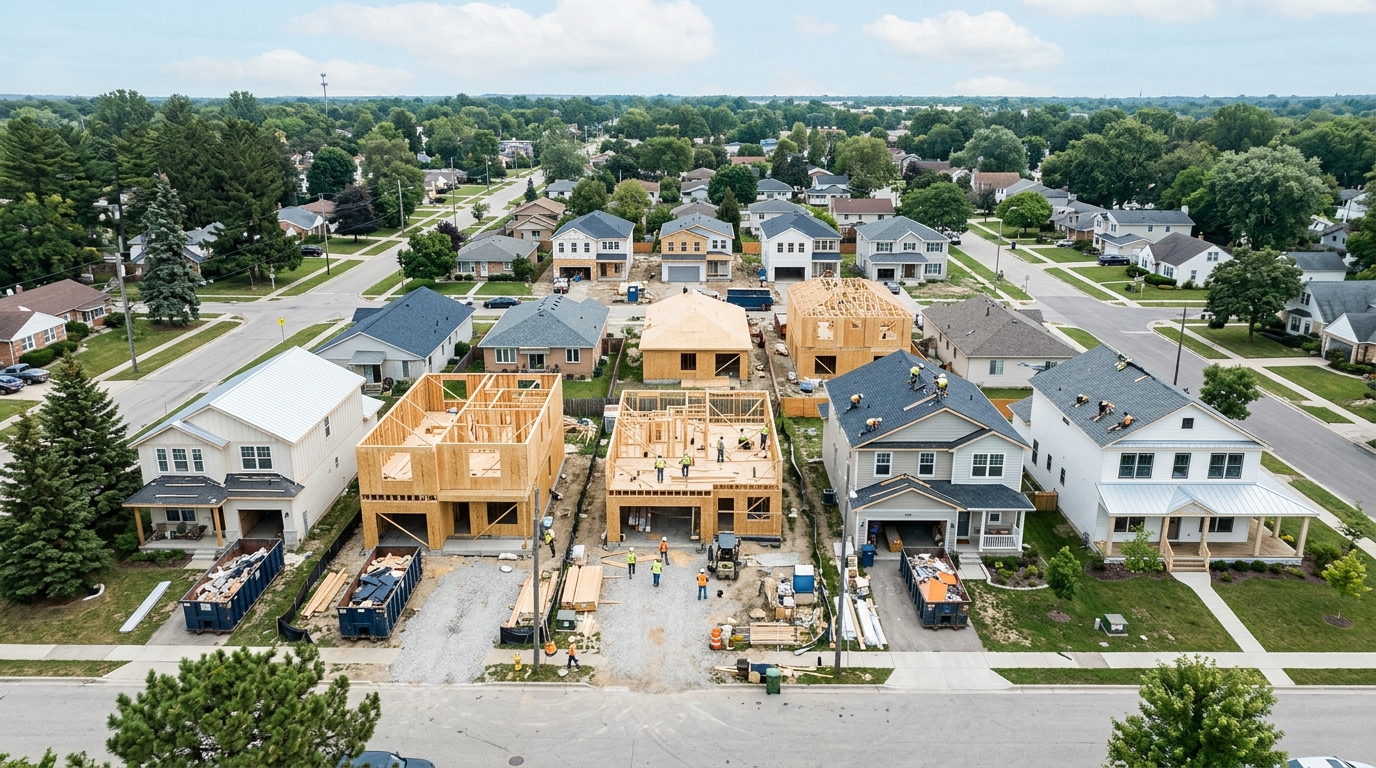
Construction: When you fund new developments or renovations, it creates a surge of immediate jobs for construction workers, contractors, electricians, plumbers, and other skilled tradespeople. Depending on its scale, your new construction project can employ dozens or even hundreds of workers and require diverse expertise.
Real estate services: The rising demand for real estate professionals, such as agents, brokers, appraisers, and property managers, is fueled by investment activities. These professionals are crucial in facilitating transactions, assessing property values, managing properties, and ensuring you make informed decisions in an ever-changing landscape.
Property management and maintenance: With each new property comes lasting jobs in property management and maintenance. These roles are essential for ensuring properties are well-kept, safe, and attractive to tenants. All in all, these people play a vital role in sustaining a thriving market.
Architecture and design: The planning and design of property spaces involve aesthetic considerations and require a deep understanding of functionality, sustainability, and user experience. This complex process gives rise to high-skilled jobs for architects who craft innovative buildings and designers who focus on interior spaces and landscapes.
Indirect job creation: a ripple effect
The impact of your real estate investments can transcend direct employment and breathe life into other industries, such as:
Supporting industries: Increased construction and renovation activity boosts demand for building materials, furniture, appliances, and other goods. This stimulates job growth in the manufacturing, retail, and transportation sectors.
Financial services: Real estate transactions bolster job opportunities for mortgage lenders, financial analysts, and insurance professionals – just to name a few. The flow of capital in real estate markets supports a robust financial services sector.
Professional services: Real estate's legal and accounting aspects create jobs for lawyers, paralegals, accountants, and tax specialists. These individuals can help ensure compliance with regulations, handle property transactions, and provide essential advice on tax implications.
Local business growth: New developments pave the way to creating opportunities for local businesses, from retail shops to restaurants - this leads to an increase in jobs, stimulating economic activity.
Economy stimulation: a rising tide lifts all boats
Your investments in real estate are worth your attention. This sector can create jobs, foster community development, and drive economic prosperity. Let’s dive into the specifics below.
GDP contribution: The real estate sector significantly contributes to the Gross Domestic Product, which is essentially the size of the economy. According to the National Association of REALTORS®, in 2023, it accounted for approximately 18% of U.S. GDP, equivalent to $4.9 trillion. This figure underscores the vital role that real estate plays in the economy.
Wealth Creation: Rising property values boost net worth, which, therefore, helps improve consumer confidence. This feeling of security can lead to more spending and investing, stimulating the economy.
Tax Revenue: Real estate development and transactions generate significant tax revenue for local and state governments. This is vital for funding public services such as education and healthcare, while supporting infrastructure such as roads and bridges.
Urban Revitalization: Focused real estate investments can revamp urban areas, attracting new residents and businesses and boosting economic health.
Debt and Cash Flow: Rising home values also influence borrowing behavior. Homeowners are more likely to take on debt, using their homes as collateral, which can lead to increased consumer spending. Refinancing during periods of low interest rates can also provide households with extra cash.
Real estate: a key ingredient to economic success
Your real estate investment is a powerful economic catalyst, igniting job creation, revitalizing local economies, and boosting government revenues. With its ability to foster innovation and improve infrastructure, real estate constitutes a key ingredient of every economic strategy while offering you attractive returns in your portfolio.
Want to explore other passive investment opportunities? Open an account with Finresi today to see how you can earn up to 12% APY without lifting a hammer!
Keep reading
 Insights
The Finresi Fund: A Deep Dive into Diversified Real Estate Debt Investing in 2026
The Finresi Fund is a pooled real estate debt vehicle giving accredited investors diversified exposure to private loans, including fix-and-flip, bridge, and construction financing. It offers passive income through interest distributions while spreading default risk across an entire loan portfolio.
 Insights
A Look Inside a Live Deal: Anatomy of a Fix-and-Flip Loan Investment
Fix-and-flip loan investments give accredited investors a first lien position on short-term real estate debt, typically yielding 8–12% annually. Walk through a live deal to see exactly how capital is deployed, protected, and returned.
