
Insights · November 1, 2024
Hard Money Lenders for Investment Property: A Practical Guide

Investing in property can be challenging when traditional banks are hesitant to lend. Hard money lenders step in to fill this gap, offering quick loans secured by the property itself. These lenders provide a valuable option for real estate investors looking to finance projects with a faster and often more flexible loan process.
Hard money loans are particularly appealing to those who need quick access to funds to close deals on investment properties. Unlike conventional loans, these often come with fewer requirements, focusing more on the property's value rather than the borrower's credit score.
For investors, this speed and flexibility can make a significant difference. Although interest rates might be higher, the benefit of securing a deal swiftly can outweigh the cost. This makes hard money lending an essential tool for real estate investors seeking to gain an edge in a competitive market.
Understanding Hard Money Lending
Hard money lending is a type of financing often used by real estate investors. These loans are usually secured by real estate properties. Hard money loans offer quick funding and fast closing times, making them attractive for those who need to act quickly.
The interest rates for hard money loans are typically higher than traditional loans. This is because they do not focus on the borrower's creditworthiness as much as traditional loans do. Instead, the property's value is a critical factor.
Hard money lenders offer different loan options depending on the property's potential. They often provide better customer service by working closely with investors to meet their specific needs.
A significant advantage of hard money lending is the flexibility in terms and conditions. This can be beneficial for experienced investors looking to invest in multiple properties.
Pros of Hard Money Loans:
- Quick approval process
- Flexible terms
- Less emphasis on personal credit
Real estate investors often choose hard money loans when time is of the essence. These loans can be a practical choice for projects that require immediate funding.
The Role of Credit in Hard Money Loans

Credit plays a significant role in hard money loans, but its impact is different from traditional loans. While credit scores are considered, hard money lenders focus more on the property's value and the borrower's investment strategy.
Credit Score Requirements
Hard money lenders do consider credit scores, but they are not the main factor. Borrowers with lower credit scores might still qualify. Lenders are primarily interested in the property being financed. Good credit can help get better terms, like lower interest rates, but it's not always necessary.
Each lender has their own credit requirements. Some might have a minimum credit score they prefer. It is important to research and compare lender requirements to understand what credit score might be needed for the best deal. Applicants should communicate with lenders to get a clear idea of credit expectations.
Evaluating Creditworthiness
Creditworthiness in hard money lending often focuses on the deal, not just the credit score. Lenders look at the borrower's ability to succeed in their investment. The potential for the property's value increase and the borrower's plan to repay the loan are crucial.
Hard money lenders review both the property and the borrower's experience. A strong investment plan can reduce the emphasis on credit history. This approach makes these loans attractive for those with past credit issues who can still show promise through solid investment opportunities. Borrowers should highlight their investment strategy and exit plan when applying.
Types of Hard Money Loans Available

Hard money loans for investment properties include bridge loans, fix and flip loans, rental loans, and construction loans. Each type serves different investment needs and is designed to support specific real estate goals.
Bridge Loans
Bridge loans provide short-term financing for buyers needing quick capital before securing long-term funding. They are often used to purchase properties in competitive markets. These loans typically have higher interest rates than traditional loans but offer quick access to cash. Investors can refinance or sell the property to repay the loan. Properties are usually used as collateral, and loan terms range from a few months to a couple of years. Bridge loans are popular for those transitioning between properties or needing to capitalize on a new opportunity without delay.
Fix and Flip Loans
Fix and flip loans are for investors purchasing properties in need of renovation. These loans cover both the purchase and repair costs, making them ideal for those looking to buy, renovate, and sell quickly. The loan duration typically spans 6 to 18 months, aligning with the turnaround time for flipping properties. Interest rates tend to be higher, but the funds are accessible swiftly. Lenders focus on the after-repair value (ARV) of a property to determine loan amounts. This loan type suits real estate investors aiming for fast renovations and sales.
Rental Loans
Rental loans support investors purchasing properties intended for long-term rental income. Unlike short-term loan options, they offer longer terms, usually up to 30 years, with fixed or variable interest rates. These loans help borrowers build a portfolio of rental properties. The approval process often considers the property's rental value and the investor's creditworthiness. Rental loans cater to those seeking consistent cash flow and property appreciation. Generally, they involve less financial risk than other hard money options due to their stable repayment structure and income-generating potential.
Construction Loans
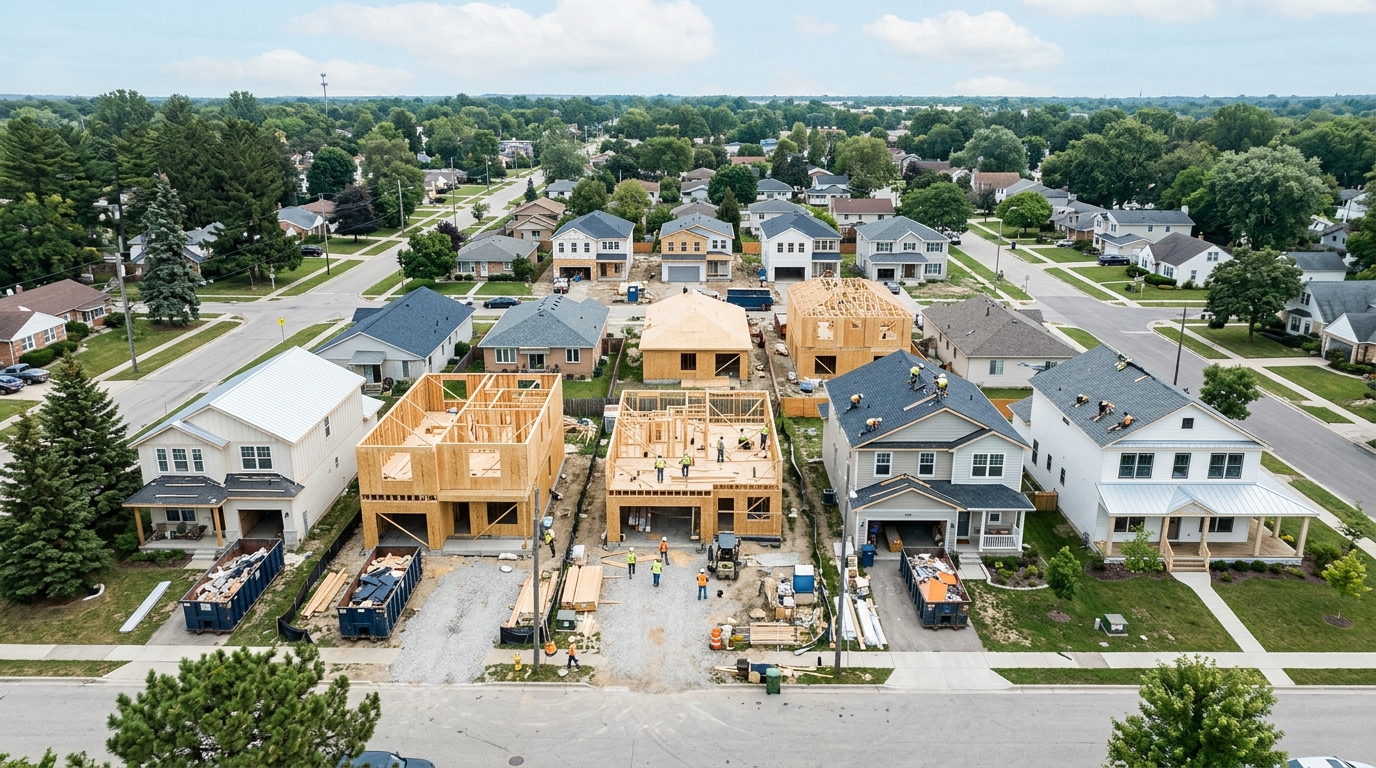
Construction loans offer funding for building new properties or major renovations on existing ones. These loans cover costs of land, labor, and materials. Unlike other loans, funds are often released in stages as construction progresses. The terms are usually short, up to one year, converting to permanent loans post-completion. Interest rates can be on the higher end due to the involved risk. Lenders focus on the project's viability, including budgets and timelines. Construction loans suit developers and those investing in creating new buildings or significantly altering current ones.
Collateral and Loan Security
Hard money lenders typically require collateral to secure their loans. Collateral refers to a valuable asset that a borrower pledges to the lender. In real estate investing, the property itself often serves as the collateral. This gives the lender a safety net if the borrower cannot repay the loan.
The value of the collateral is crucial. Lenders often assess the After Repair Value (ARV), which estimates the property's value once renovations are complete. ARV helps determine the loan amount and the level of risk involved.
Loan-to-Value (LTV) ratio is another important term. It compares the loan amount to the property's value. A lower LTV ratio means the borrower has more equity in the property, which reduces the lender's risk.
Net Asset Value (NAV) in real estate indicates the total value of a company's assets minus liabilities. This can affect a lender’s decision in commercial lending, reflecting the overall strength of an investment portfolio.
Understanding these terms and how collateral works can help investors make better decisions when seeking financing. It's essential to assess both the potential rewards and risks when using hard money loans for property investments. Selecting the right terms can significantly impact success in real estate investing.
Investment Strategies for Property Financing

Investing in property requires different strategies based on the type of project. Smart investors weigh the pros and cons of approaches like house flipping, long-term rentals, and new construction. Each has its unique requirements and potential financial returns.
House Flipping
House flipping involves buying properties, renovating them, and reselling for a profit. House flippers look for homes that need cosmetic or structural improvements. The goal is to enhance property value and sell quickly.
Timing is crucial. Successful flippers must predict market trends and costs accurately. Budgets should account for purchase price, renovation, and holding costs during the selling process.
Access to quick financing is important. Many flippers use hard money lenders due to their faster approval times compared to traditional banks. These loans usually cover the purchase and rehab costs, but come with higher interest rates. The quick turnaround aims to offset these costs.
Long-Term Rental Properties
Long-term rental properties offer steady income. Investors seek properties in areas with strong rental demand. Long-term rental loans can finance these purchases.
These loans often feature lower interest rates, making them appealing for buy-and-hold strategies. Finding the right property involves researching local markets, schools, and amenities. It’s important to ensure rents can cover the mortgage and other expenses.
Investors might manage a property themselves or hire a property manager. This strategy requires less frequent buying and selling, focusing more on property upkeep and tenant relations.
New Construction Projects
New construction projects involve building from the ground up. Investors plan and develop properties, which can range from single homes to large developments.
Planning includes finding suitable land, securing permits, and working with builders. Investors must manage costs for materials and labor, with an eye on market demand.
Many rely on hard money loans to finance these projects. These lenders understand the unique needs of building new homes and offer flexible terms. Building new allows for customization and can attract modern buyers looking for energy-efficient features. It's a longer process but can be rewarding when done carefully.
Loan Terms and Repayment

When choosing a hard money lender for investment property, it's important to know how loan terms and repayment work. This includes understanding repayment terms, getting familiar with interest rates and points, and knowing about prepayment penalties.
Understanding Repayment Terms
Loan terms from hard money lenders are usually shorter than traditional loans. They often range from 6 months to 3 years. This is important for investors who seek quick property turnovers.
Repayment schedules can vary. Some loans may require monthly payments, while others might be structured with a large balloon payment at the end. The balloon payment means paying off the entire remaining loan balance in one final lump sum.
Knowing whether the loan has a fixed or floating interest rate is essential for planning. Fixed rates remain constant, while floating rates can change with market conditions.
Interest Rates and Points
Hard money loans typically have higher interest rates than traditional loans. Rates might range from 8% to 15%, reflecting the greater risk to lenders. It's vital for investors to understand how these rates impact their project's cost.
In addition to interest, lenders can charge points. Points are upfront fees, often as a percentage of the loan amount. For example, if the lender charges 2 points on a $100,000 loan, the borrower pays a $2,000 fee.
Comparing interest rates and points among different lenders can help investors find more favorable terms. This can make a significant difference in overall costs.
Prepayment Penalties
Some loans may include prepayment penalties, fees charged if the borrower pays off the loan early. Lenders impose these to compensate for lost interest income. It's crucial to check if these penalties apply and how they're calculated.
Prepayment penalties can vary widely. They might be a flat fee or a percentage of the remaining loan balance. Knowing these terms helps investors decide if early repayment is financially wise.
For borrowers who plan to sell or refinance the property quickly, choosing a loan without a prepayment penalty can be beneficial. Always inquire about these penalties when negotiating loan terms.
Costs Involved in Hard Money Loans
Hard money loans can be a quick way to finance real estate investments. These loans come with specific costs that borrowers should know about.
Origination Fees
Origination fees are charges for processing the loan. They can range from 1% to 5% of the loan amount. This fee can vary widely depending on the lender. It’s important for borrowers to compare fees from different lenders when shopping for a loan.
These fees are usually added to the upfront cost. It's crucial to ask lenders about their origination fees before committing to a loan. Knowing this cost helps borrowers plan their investment expenses.
Closing Costs
Closing costs include various fees associated with finalizing a loan. These can cover appraisal fees, title insurance, and legal fees. They often make up 2% to 5% of the loan.
Borrowers should get an estimate of these costs early in the process. Lenders may provide a detailed list of closing costs, so investors can see what they're paying for. Proper budgeting for these expenses is vital for financial planning.
Down Payments
Down payments for hard money loans are often larger than traditional loans. They typically range from 25% to 30% of the property's purchase price. Higher down payments lower the lender's risk.
Having a large down payment can also make it easier to secure the loan. It demonstrates the borrower’s commitment to the investment. Preparing a substantial down payment is key for obtaining these types of loans.
Comparing Hard Money Loans with Traditional Financing
Hard money loans and traditional financing serve different needs for property investors. Each has distinct features that affect loan approval, terms, and speed.
Conventional Mortgages
Conventional loans are often sought after due to their structured terms. They typically offer lower interest rates over longer periods, making monthly payments more manageable. Mortgage lending for these loans considers factors like credit score and income history.
Documentation and verification are thorough, ensuring borrowers meet eligibility criteria. Investors with stable finances may find these loans appealing for long-term investment properties. They generally require a down payment ranging from 5-20%, depending on creditworthiness.
Overall, conventional loans are popular for their stability, but the approval process can be lengthy.
Benefits of Hard Money Over Conventional
Hard money lenders provide faster access to funds, which can be critical for property investors who need quick decisions. They focus more on the property value rather than the borrower’s credit score. This is ideal for those with poor credit or limited income documentation.
Loan approval is rapid, often within days, allowing investors to seize immediate opportunities. Hard money loans have flexible terms and shorter repayment periods compared to conventional options. This flexibility can be advantageous for flipping houses or short-term investments. However, it's important to note that interest rates tend to be higher, reflecting the increased risk and fast access to capital.
Provider Insight: Hard Money Lenders to Know
Exploring the options for hard money lending can help investors find the right fit for their needs. This guide outlines some key providers, including large institutions and alternative financing platforms.
Kiavi and RCN Capital
Kiavi and RCN Capital are popular choices for real estate investors. Kiavi offers fast funding and flexible loan terms. They specialize in fix-and-flip loans. Investors benefit from their tech-driven process that speeds up loan processing.
Meanwhile, RCN Capital provides loans for single-family and multifamily properties. They are notable for offering refinancing options, so investors can adjust loans as needed. Both companies prioritize straightforward transactions, making them reliable partners in the real estate industry.
Crowdfunding Platforms
Another option for investors is crowdfunding platforms. These platforms allow individuals to pool their resources to fund larger projects. This approach can lower the risk for single investors.
Crowdfunding provides access to a broad range of projects, from residential to commercial real estate. It can offer flexibility in terms of investment size and duration. Loan processing is typically handled by the platform, ensuring a smooth experience.
These platforms often have user-friendly interfaces. Investors can easily browse opportunities and track their investments.
Private Lenders and Investors
Private lenders and investors offer a more personalized approach. These lenders can be businesses or individuals with capital to invest in real estate projects. They usually have flexible terms, which can be negotiated based on the investor’s needs.
Since they don’t adhere to strict banking regulations, they can provide quicker funding. This option works well for those needing fast closings or dealing with unique property types.
Engaging with private lenders can also lead to long-term investment relationships. It’s essential to conduct due diligence and ensure the lender is reputable.
Navigating Loan Amounts and Funding Speed
Hard money lenders provide loans for buying or refinancing properties quickly. Investment opportunities often require fast action, and these lenders offer quick funding solutions.
Loan amounts vary depending on lender policies and the property's value. Some lenders offer up to 90% of the purchase price, while others may fund 70% to 75% of the property's after-repair value (ARV).
Fast closing times are a significant advantage. While traditional banks may take weeks, hard money lenders often close within days. This speed is valuable for investors needing quick access to funds.
Borrowers use these loans for both purchase and refinance purposes. Whether acquiring a new property or refinancing an existing one, hard money loans can be a viable choice when speed and flexibility are essential.
Interest rates and terms depend on the lender and specific deal. Investors should review conditions carefully to ensure alignment with their financial goals.
In conclusion, these loans serve investors looking for rapid access to capital with specific property needs. Understanding loan amounts, funding speed, and terms is essential for successful deals.
Keep reading
 Insights
The Finresi Fund: A Deep Dive into Diversified Real Estate Debt Investing in 2026
The Finresi Fund is a pooled real estate debt vehicle giving accredited investors diversified exposure to private loans, including fix-and-flip, bridge, and construction financing. It offers passive income through interest distributions while spreading default risk across an entire loan portfolio.
 Insights
A Look Inside a Live Deal: Anatomy of a Fix-and-Flip Loan Investment
Fix-and-flip loan investments give accredited investors a first lien position on short-term real estate debt, typically yielding 8–12% annually. Walk through a live deal to see exactly how capital is deployed, protected, and returned.
