
Insights · November 1, 2024
Hard Money Investing: Maximizing Returns in Real Estate

Hard money investing is a strategy where loans are secured by real estate and given by private lenders rather than traditional banks. It offers a quick way to finance real estate deals, ideal for buyers who need fast cash and can't wait for long bank approvals. This method often appeals to house flippers, builders, and those investing in rental properties.
Hard money loans tend to be short-term, usually ranging from one to three years. They generally have higher interest rates due to the increased risk taken on by the lender. This trade-off means investors can act quickly, benefiting from opportunities in competitive markets.
These loans are based more on the property value than the borrower’s credit history. For investors who have found a promising property but lack the financing options, hard money lending can be a useful tool to consider.
Understanding Hard Money Investing
Hard money investing involves loans secured by real estate property, often used by real estate investors for quick financing. These loans usually come with higher interest rates and fees due to their short-term nature and higher risk.
Definition and Fundamentals of Hard Money Loans
Hard money loans are short-term loans backed by tangible real estate assets. These loans often have higher interest rates and shorter terms than traditional bank loans. Interest rates can range from 8% to 15%, depending on the lender and borrower’s situation.
These loans are typically used for property rehab or quick purchases. Lenders focus on the property’s value, not the borrower’s credit score. This makes them appealing for those who might not qualify for standard financing.
The Role of Hard Money Lenders in Real Estate Investing
Hard money lenders play a crucial role in real estate investing by providing fast and flexible financing options. They often fund deals within days rather than weeks. This speed is essential for investors who need to close deals quickly.
Lenders often have more flexibility in terms of lending criteria and can tailor loans to specific investment strategies. They assess the property's value and potential return, which can benefit investors in competitive markets. By understanding these dynamics, real estate investors can make informed decisions.
The Benefits of Hard Money Loans
Hard money loans offer quick access to funds and flexible repayment terms. They are particularly helpful for investors who might not have strong credit scores, providing a different route to securing necessary funding.
Quick Funding and Flexibility
Hard money loans are known for their speed. Traditional lenders often require lengthy approval processes, which can delay funding. Hard money lenders, on the other hand, can provide money in a matter of days.
This quick access is crucial for investors who need to act fast on opportunities. The terms of these loans are usually flexible. Lenders may be open to negotiating repayment schedules or loan amounts, which is beneficial for projects with unique financial needs or unexpected changes. Flexibility helps borrowers tailor loans to specific investment goals.
Accessibility for Investors with Poor Credit
Investors with poor credit often face challenges in securing traditional loans. Hard money loans provide an alternative by focusing less on creditworthiness. Instead, the value of the collateral, usually a property, is more important to lenders.
This approach gives investors with poor credit a chance to obtain the needed funding. Hard money lenders emphasize the potential value of the investment. This makes it easier for more individuals to access financing options, opening doors to investment opportunities that might otherwise be out of reach.
Hard Money Loan Structures

Hard Money Loans are unique in the world of real estate financing. These loans often have higher interest rates and fees compared to traditional mortgages. They rely heavily on collateral, often making fast capital available for short-term needs.
Interest Rates and Lending Fees
Interest rates on hard money loans are usually higher. This is because lenders take on more risk with these loans. They typically range from 8% to 15%, depending on the borrower's creditworthiness, the property's value, and other factors.
Lending fees, sometimes called "points," are added costs. Fees usually range from 1% to 5% of the loan amount. These fees increase the total cost of borrowing. Both interest rates and fees influence overall payments significantly.
Loan Terms and Payment Schedules
Hard money loans are short-term, often lasting 1 to 3 years. This short term allows quick access to capital but requires fast payback. Borrowers must plan for repayment.
Payments might include balloon payments, a large sum due at the end of the loan term. Monthly payments may cover only interest, with the principal paid at the end. It's crucial to understand these terms to avoid financial strain.
Collateral and Equity Requirements
Collateral is essential in hard money loans. The property itself acts as security. Lenders might require significant equity. This means borrowers must own part of the property's value to qualify.
Equity indicates a borrower's investment in the property. Lenders prefer lower loan-to-value (LTV) ratios, often 60% to 70%. This minimizes risk, protecting lenders if the borrower defaults. Proper collateral ensures better loan terms.
Comparing Hard Money Loans to Traditional Financing

Hard money loans and traditional financing options like bank loans or mortgages serve different needs. Key contrasts include the speed of approval, interest rates, and the borrower’s credit history.
Differences from Traditional Bank Loans and Mortgages
Hard money loans are typically secured by real property and are a short-term financial solution. Speed is a significant difference; these loans can be processed quickly, often within a few days. Traditional bank loans or mortgages, on the other hand, may take weeks or even months to finalize.
Hard money lenders focus more on the property value than the borrower's credit history. Traditional financing requires the borrower to have a solid credit score and financial background. Hard money loans may have higher interest rates compared to traditional loans, reflecting the increased risk and speed of funding.
Additionally, terms for hard money loans are usually shorter, often 1-3 years, while traditional mortgages generally range from 15 to 30 years. Fees and costs might also differ, impacting the overall cost of borrowing.
Why Choose Hard Money Loans Over Traditional Lenders
Some borrowers might opt for hard money loans because of the fast approval process. When time is critical, these loans offer a quick solution. This can be beneficial in competitive real estate markets where speed is essential.
Borrowers with less-than-perfect credit may find hard money loans more accessible since they emphasize collateral value over credit scores. Although interest rates are higher, the potential access to funds can outweigh the costs for some people.
Real estate investors often choose hard money loans to finance property flips. The ability to secure financing fast and even with a poor credit score attracts those needing quick capital to seize investment opportunities. Additionally, fewer hurdles in the application process can appeal to borrowers facing urgent funding needs.
The Application and Approval Process for Hard Money Loans

Hard money loans are an alternative for borrowers who may not qualify for traditional loans. These loans focus on property value more than credit scores.
Understanding Credit Requirements and Pre-Qualification
Hard money lenders prioritize property value over the borrower's credit score. Credit requirements can still vary by lender, but generally, they are less stringent. Borrowers often need a minimum credit score, though it is usually lower than conventional loans.
Despite less emphasis on credit scores, lenders might look at financial documentation to ensure reliable repayment. Pre-qualification involves submitting basic information about the property and personal financial status. This step helps determine borrowing limits and terms.
Borrowers should be ready to present proof of income, asset details, and any outstanding debts. It's essential for borrowers to know what their financial capability is to avoid future hurdles during the process.
Steps in the Hard Money Loan Approval Process
The hard money loan approval process is swift compared to traditional methods. It starts with filling out an application with property details and plans for its use. Lenders focus on the potential value and the borrower's exit strategy, not only their past credit history.
Lenders will perform a property appraisal to assess the property's value. This step is crucial as it influences the loan amount and terms. Next, there might be a background or credit check, though it's not the primary factor.
After these evaluations, the lender decides on the approval. If approved, they outline the loan terms, and the borrower can review them before signing. The process is often completed in a few days, making it attractive to those needing quick financing.
Hard Money Investing Strategies

Hard money investing offers unique strategies like renovating and reselling properties. It also involves leveraging loans for rental property investments. Both approaches focus on quick returns and offer opportunities for property investors to benefit in different ways.
Renovation and Resell: The Fix and Flip Approach
The fix and flip strategy is popular in real estate. Investors buy properties that need repairs, use a hard money loan, and renovate them. These loans offer quick access to cash and are ideal for short-term projects.
After renovations, the property is resold at a higher price. This allows investors to make a profit from the increased property value. The key is to complete renovations efficiently to minimize holding costs and maximize return on investment.
Timing is crucial in fix and flip projects. Investors should be aware of market trends to sell at the right time. This method requires a good eye for potential properties and a team of reliable contractors.
Investing in Rental Properties through Hard Money Loans
Hard money loans can also help in acquiring rental properties. These loans are useful when banks are unwilling to finance such purchases quickly. Investors often use these loans to buy properties, particularly short-term rentals, where speed is essential.
These rental properties can provide consistent monthly income. Investors should perform detailed market research to choose areas with strong rental demand. A well-maintained property attracts tenants and ensures steady cash flow.
Planning for exit strategies is vital, as hard money loans have higher interest rates. Many investors refinance to a traditional mortgage once the property is income-stable. This helps transition from short-term financing to long-term investment gains efficiently.
Specialty Hard Money Loan Products
Specialty hard money loans, like bridge and construction loans, cater to niche real estate needs. These products support property flippers and investors looking to seize quick opportunities or finance construction projects.
Bridge Loans and Their Use Cases
Bridge loans offer short-term financing solutions. They are commonly used by property flippers and real estate investors who need quick capital. These loans act as a "bridge" between buying a new property and selling an existing one. Typical borrowers are those who want to secure a new property before their current one has sold.
House flippers find bridge loans helpful. They allow for fast purchase and renovation, which is crucial in hot markets. Since approval is speedy, these loans are perfect for deals requiring immediate action. Lenders primarily assess the property's value rather than personal credit history, making it easier for investors to qualify.
Construction Loans for Real Estate Investors
Construction loans provide funding for building new properties. These loans cover costs associated with construction, including labor and materials. For real estate investors, these loans are vital, enabling them to create new housing or commercial projects. Borrowers must provide detailed plans and timelines for the proposed construction.
Real estate investors can benefit from flexible payment terms. Unlike traditional loans, construction loans often release funds in phases. This phased approach ensures that money is available as the project progresses. This setup minimizes risk for both the lender and the borrower, making it an attractive option for investors looking to expand their portfolios.
Property Valuation and Loan-to-Value Ratio
In hard money investing, property valuation and loan-to-value (LTV) ratio play a crucial role. They help determine the loan amount and potential return on investment. Understanding these concepts ensures informed investment decisions.
The Importance of Appraisal in Hard Money Investing
An appraisal is essential in hard money investing. It provides an accurate assessment of a property's current market value. Appraisers analyze several factors, including the property's location, condition, and comparable sales in the area.
Lenders rely on appraisals to gauge the risk of approving a loan. A precise appraisal helps investors understand the property's worth, reducing the chances of overpaying. Inaccurate appraisals can lead to financial losses. Thus, it is crucial to engage certified professionals for property evaluations.
Calculating After Repair Value (ARV) for Investment Properties
The After Repair Value (ARV) is a projection of a property's value after renovations. It guides investors in making sound financial decisions. Calculating ARV involves comparing similar renovated properties in the area.
To find the ARV, investors assess potential repairs and improvements. Then, they evaluate similar properties, also known as comparables or comps. The estimated costs of repairs are subtracted from the anticipated sale price to determine the ARV. Accurate ARV calculations ensure better investment outcomes and help avoid over-investing in renovations.
Regulatory Compliance and the Impact of Dodd-Frank
The Dodd-Frank Act has greatly influenced the hard money lending sector. It aimed at enhancing financial stability by improving accountability and transparency in the financial system. Several key requirements affect hard money loans today.
How Dodd-Frank Affects Hard Money Loans
Dodd-Frank introduced stricter regulations for lending, impacting how hard money loans operate. Lenders must now ensure strict compliance with loan requirements. This includes verifying borrowers' ability to repay, impacting approval processes.
Hard money lenders are required to maintain accurate records. This ensures transparency and accountability. Non-compliance can result in fines or penalties, making it vital for lenders to adhere to these regulations.
The Act also enforces specific guidelines on interest rates and loan terms. This protects borrowers from unfair lending practices. Lenders might find these rules challenging but they help in creating a fair lending environment.
Closing and Beyond
Hard money investing involves important steps such as closing and managing investments. Attention to timelines and costs is crucial for successful outcomes.
The Hard Money Closing Timeline and Costs
The closing timeline for hard money loans is usually quick. It often takes one to two weeks. This speed helps investors act fast in the real estate market. Banks may take longer, but hard money lenders can offer rapid service.
Closing costs can include fees for appraisal, title services, and underwriting. These costs vary based on the lender and property value. Investors should budget for these expenses to avoid surprises. Negotiations can sometimes reduce these fees.
Knowledgeable customer service from lenders is vital. Good communication ensures understanding of timelines and costs. This can help prevent delays in real estate transactions.
Post-Closing: Managing the Investment Property and Loan
Once the deal is closed, managing the property well is key. Regular maintenance and tenant management are important for keeping property values up. Hiring a property manager can help investors focus on other opportunities.
For loans, consistent loan payments maintain a strong relationship with the lender. Investors should monitor interest rates and refinance when beneficial. This can save money over time.
Keeping detailed financial records helps understand investment performance. Reviewing these records regularly ensures that investment goals remain on track and helps in making informed future decisions.
Potential Risks and Downsides
Hard money investing comes with its own set of challenges. Investors should be aware of both financial and legal risks. These include higher costs such as interest rates and fees, as well as the possibility of losing property through foreclosure.
Higher Interest Rates and Fees
Hard money loans often have higher interest rates compared to traditional bank loans. This is because these loans are considered riskier. Interest rates for hard money loans typically range from 8% to 15%, but they can vary based on the lender and the borrower's qualifications.
Fees can also be substantial. Borrowers may face origination fees, appraisal fees, and broker fees. These costs can add up quickly. It's important to calculate these expenses ahead of time. Comparing costs across different lenders can help find the most favorable terms.
Risks of Foreclosure and Loan Default
Failure to meet repayment terms can lead to foreclosure. Hard money loans use the property as collateral. If a borrower defaults, the lender can take ownership of the property. This is a significant risk, especially if the property value decreases.
Investors need to have a clear plan to repay the loan. Assessing financial stability and having alternate repayment strategies are key. A plan B can reduce the risk of default. Lastly, monitoring property market trends can help anticipate value changes. This foresight can be crucial in minimizing risks associated with foreclosure.
Success Stories and Case Studies
John Davis: A Real Estate Success
John Davis, a real estate investor, turned a vacant warehouse into luxury apartments. He learned about hard money investing, secured funding, and completed the project in under a year. The property now generates significant rental income and shows how these loans can transform risky ventures into successes.
Innovative Land Deals
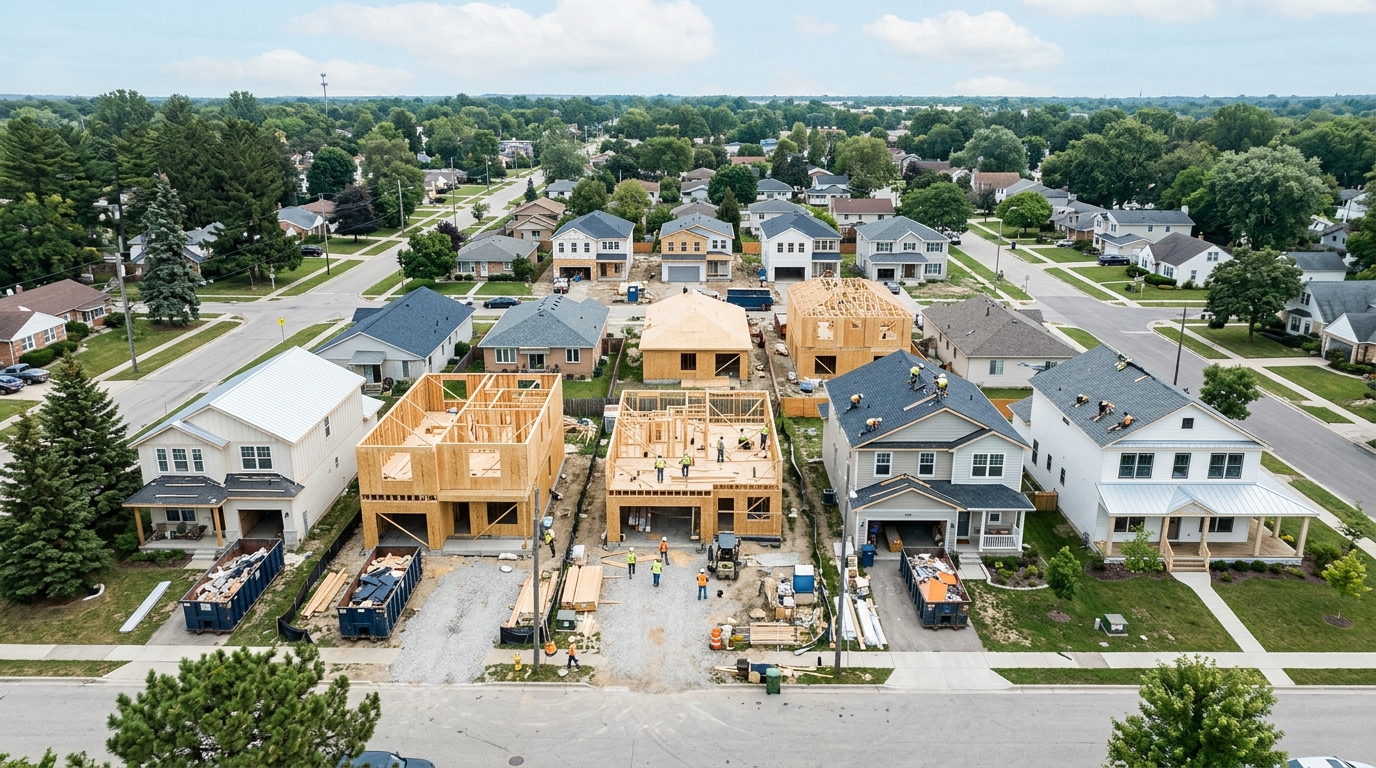
A group of savvy real estate investors used hard money loans to buy and revamp an entire block of abandoned houses. Their vision was to create affordable housing for families. By working quickly, they restored the homes and resold them at affordable rates, earning both community praise and profit.
Turning a Motel into a Hotspot
Sarah Collins reimagined an old, rundown motel as a trendy boutique hotel. Using hard money, she financed the needed renovations. Today the hotel attracts tourists from all over, proving how imagination and funding can breathe life into neglected properties.
Investor Group Revives a Shopping Plaza
A group joined forces to refurbish a failing shopping plaza. By using hard money loans, they revitalized the area with new shops and eateries, attracting more customers. The revitalized plaza now serves as a local hangout, showcasing the power of combined efforts and strategic investments.
These stories highlight how real estate investors use hard money loans to achieve their goals. Whether working individually or in a group, these examples showcase the potential for success in real estate investing.
Keep reading
 Insights
The Finresi Fund: A Deep Dive into Diversified Real Estate Debt Investing in 2026
The Finresi Fund is a pooled real estate debt vehicle giving accredited investors diversified exposure to private loans, including fix-and-flip, bridge, and construction financing. It offers passive income through interest distributions while spreading default risk across an entire loan portfolio.
 Insights
A Look Inside a Live Deal: Anatomy of a Fix-and-Flip Loan Investment
Fix-and-flip loan investments give accredited investors a first lien position on short-term real estate debt, typically yielding 8–12% annually. Walk through a live deal to see exactly how capital is deployed, protected, and returned.
