
Insights · November 1, 2024
Buy Rental Property Online: A Modern Investor's Guide

Investing in real estate has become more accessible with the ability to buy rental property online. This method allows potential investors to explore a wide range of properties from the comfort of their homes. Online platforms provide detailed information, helping buyers make informed decisions about investment properties without the need to visit in person.
For those interested in real estate investing, online tools offer numerous advantages. These include virtual tours, easy access to property reviews, and the ability to compare prices and locations effectively. This streamlined process makes it possible for both experienced investors and beginners to enter the market with confidence.
Rental properties can generate passive income and may appreciate over time, making them attractive to investors. By utilizing online resources, people can better navigate the complexities of real estate and seize opportunities in the rental market. This modern approach simplifies the buying process, allowing for efficient investment decisions.
Understanding the Rental Property Market
Grasping the rental property market involves understanding market conditions, local market trends, and rental demand. This requires looking at economic factors, examining specific locations, and assessing what renters seek.
Analyzing Market Conditions
To analyze market conditions, consider economic factors like interest rates and employment levels. Strong economies usually lead to increased rental demand. Rental prices can rise or fall based on these conditions.
Understanding supply and demand is also key. When many properties are available, rents might decrease. If few properties are on the market, rents can increase. Staying informed about these elements helps investors make smart decisions.
Assessing Local Market Trends
Local market trends show how a particular area is performing. Look into population growth, job opportunities, and local amenities. Areas with rising employment and good schools often attract more renters.
Rental prices in the neighborhood are important, too. Compare these prices with other areas to see if the investment is wise. Check past trends to predict future changes. This helps in finding profitable opportunities.
Determining Rental Demand
Assessing rental demand means knowing what type of properties are in demand. For instance, apartments might be popular in urban areas, while single-family homes may be desired in suburbs.
Demographic trends such as young professionals or families moving into the area also affect rental demand. Providing features that meet renters' needs, like parking or pet-friendly options, can increase attractiveness.
Financial Preparation for Buying a Rental Property
Preparing to buy a rental property starts with evaluating personal finances. Key steps include maintaining a good credit score, exploring financing options, and getting preapproved for a mortgage loan. Understanding these areas can lead to better terms and smoother transactions.
Importance of a Healthy Credit Score
A strong credit score is crucial when buying a rental property. Lenders look at this score to decide on interest rates and mortgage terms.
Typically, a score of 620 or above is ideal, with scores over 700 receiving the best rates. It helps to check credit reports for errors and settle any outstanding debts. Keeping credit utilization below 30% of total available credit is advisable. Making payments on time is also essential, as late payments can hurt credit scores.
Understanding Financing Options
Several financing options are available for acquiring rental properties. A conventional mortgage is often the first choice, characterized by fixed or adjustable rates.
An FHA loan might be possible for those with lower credit scores. If a larger property is desired, a portfolio loan, which covers multiple properties, might be suitable. Comparing different lenders and understanding terms are vital steps. Buyers should consider down payment requirements, which often start at 20% for rental properties.
Getting Preapproved for a Mortgage
Preapproval is a vital step in securing a rental property loan. Preapproval involves a lender evaluating income, debts, and credit score.
This process helps clarify how much one can borrow. It makes offers more attractive to sellers, showing them that financing is secure. Providing details like employment history and tax returns speeds up the preapproval process. Once preapproved, buyers can confidently begin their property search within budgeted limits.
The Investment Strategy

When buying rental property online, a smart investment strategy is crucial. This involves setting clear financial goals, calculating potential cash flow, and evaluating the return on investment.
Establishing Your Financial Goals
Before making any purchase, it's important for real estate investors to set clear financial goals. These goals guide the investment process and help in choosing the right property. Consider factors like the desired monthly income, long-term growth, and risk tolerance.
Investors should also think about how much they are willing to invest initially and how much they can afford to lose. This financial planning helps in maintaining a realistic outlook and ensures the investment aligns with personal and financial plans.
Calculating Potential Cash Flow
Cash flow is a key factor in rental property investments. It represents the money left after all expenses, like mortgage, taxes, and maintenance, are paid. To calculate cash flow, subtract these costs from the rental income.
A positive cash flow means more income than expenses, which is ideal. Analyzing potential cash flow helps investors decide if a property is a sound investment. It's crucial to account for unexpected expenses as well, to see a true picture of profitability.
Evaluating Return on Investment
Return on Investment (ROI) measures how well a property is performing financially. It’s calculated by dividing the net profit by the original investment cost, then multiplying the result by 100 to get a percentage.
A higher ROI means a better investment. Investors should compare the ROI of different properties to find the one with the best potential. Keeping an eye on market trends can also be useful in maximizing ROI over time.
Selecting the Right Rental Property

Choosing the right rental property involves finding a profitable location, understanding different property types, and inspecting each option carefully. These factors will help ensure a wise investment in the rental market.
Identifying Profitable Locations
Location is crucial in real estate success. Cities with strong job markets often have high rental demand.
Research areas with growing populations and employment opportunities. Proximity to schools, transportation, and amenities can increase a property's desirability.
Look for areas with low crime rates and a good balance of residential and commercial spaces.
Tools and Resources:
- Use online real estate platforms for market statistics.
- Explore local forums for current resident insights.
- Check governmental websites for development plans.
Gathering this information helps in identifying neighborhoods primed for growth and profit.
Types of Rental Properties
Different rental properties come with unique advantages. Single-family rentals are popular for families and offer privacy.
Apartments or condos may appeal to different demographics, like young professionals. Multifamily properties might generate multiple income streams but require more management.
Consider the property type that fits your investment goals and budget. Single-family homes often have consistent demand but may have higher maintenance costs per unit.
Multifamily units, though pricier, can spread risk across tenants, providing stable income if managed well.
Inspecting Potential Properties
Inspection is vital to avoid future costs and issues. Hire a certified inspector to check for structural problems like foundation cracks or roof leaks.
Evaluate the HVAC system, plumbing, and electrical systems to ensure they meet safety standards.
Checklist for Inspection:
- Walls, floors, and ceilings for water damage
- Condition of appliances and fixtures
- Exterior for signs of weather wear
Assess renovations or repairs needed and calculate these into the investment budget. This ensures a realistic view of the property's future performance and helps in decision-making.
The Purchase Process
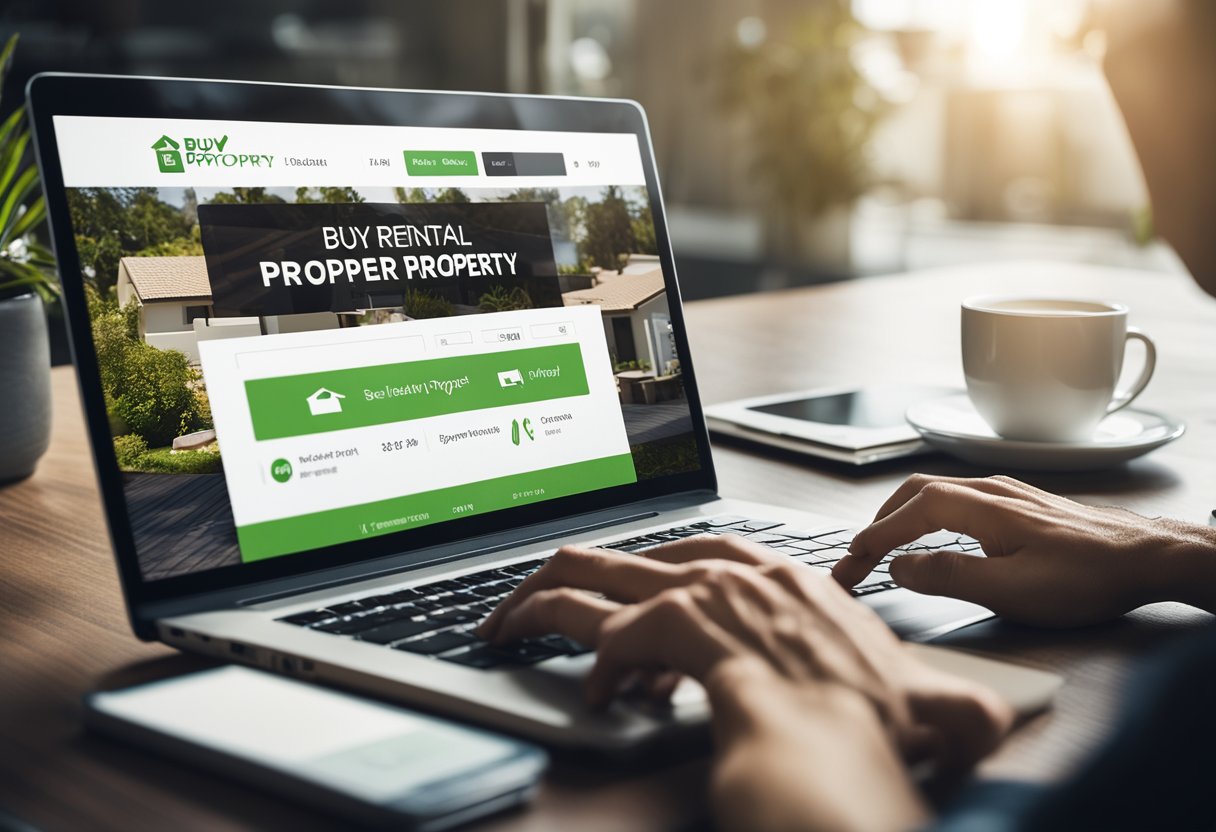
Purchasing rental property online involves specific steps to ensure a smooth transaction. Key parts of this include making an offer, negotiating terms, and closing the deal. Each step needs careful attention to detail for a successful purchase.
Making an Offer
Before making an offer, it is crucial to conduct a thorough analysis of the property. This includes understanding the market value and reviewing comparable sales in the area. An informed offer takes into account these factors, alongside personal budget constraints and financial goals.
A down payment is an important part of the offer. Buyers should plan to cover at least a portion of the property price upfront, usually around 20%. A solid offer should balance appealing terms for the seller while being financially feasible for the buyer.
Negotiating Terms
Negotiating terms may involve discussions on price reduction, repairs, or other concessions. Both parties aim for a mutually beneficial agreement, keeping in mind the desired return on investment.
Mortgage interest rates can influence negotiations, affecting the long-term cost of the property. It's wise to work with a real estate agent or a lawyer to navigate this process. Their expertise can help secure favorable terms without unnecessary pitfalls.
Closing the Deal
Closing the deal signifies the final step in acquiring the property. During this stage, both parties agree to the terms, and the buyer secures financing if needed. This often involves completing mortgage paperwork and transferring titles and ownership.
Buyers should be ready to cover closing costs, alongside their mortgage and down payment. These can include fees for appraisals, inspections, and agent commissions. Once all documents are verified and signed, the property officially changes hands, and the buyer becomes the new owner.
Managing Your Rental Property

Efficient management of a rental property involves hiring the right property manager, addressing maintenance and repairs promptly, and complying with landlord-tenant laws. These elements help ensure a smooth operation and maintain good relationships with tenants.
Hiring a Property Manager
Property managers can handle daily operations, from tenant screening to rent collection. They have experience in managing issues that landlords may find time-consuming or complicated. A property manager helps in setting rental rates, marketing the property, and managing tenant communications.
When hiring a manager, check their reputation and ask for references. Ensure they have experience in the local market and understand the specific needs of your property. The property management fee is usually a percentage of the monthly rent, so consider this added cost before making your decision.
Maintenance and Repairs
Maintenance is crucial for long-term property value. Regular inspections can identify potential problems early, saving time and money on costly repairs later. Landlords may choose to handle some repairs themselves or hire professionals for more complex issues.
Creating a maintenance schedule helps improve tenant satisfaction and avoid emergencies. Consider setting aside a maintenance budget, often a percentage of the rental income, to cover unexpected expenses. Having a list of reliable contractors ensures quick resolution of repairs when needed.
Understanding Landlord-Tenant Laws
Landlord-tenant laws vary by location but commonly cover rights and duties for both parties. These laws address essential topics like security deposits, lease agreements, and eviction procedures. Compliance helps landlords avoid legal complications.
Knowledge of these regulations ensures fair treatment of tenants and protects the landlord's rights. Landlords should stay informed about legal updates and consult professionals for complex legal issues. Understanding these laws also aids in drafting clear and legally sound lease agreements.
Financial Aspects of Rental Property Ownership
Owning rental property involves a variety of financial considerations. These include managing operating expenses, meeting tax obligations, and calculating depreciation. Each aspect plays a critical role in managing the profitability and sustainability of rental property ownership.
Handling Operating Expenses
Operating expenses are a key part of managing rental properties. These expenses include costs like property maintenance, repairs, insurance, and utilities. Additionally, property taxes account for significant annual costs.
Property Insurance helps protect the investment from unexpected damage or liability. Keeping up with regular Maintenance can prevent costly repairs later on. It's important for owners to keep track of these expenses and budget accordingly to ensure rental income covers these costs while still generating profit.
Navigating Tax Obligations
Managing tax obligations is crucial for rental property owners. Property taxes are typically paid annually and are based on the home's value. Properly handling taxes can impact profit margins significantly.
Understanding the difference between ordinary income and rental income is important. Rental income is subject to different tax rules, often allowing for deductions like interest on mortgages and expenses from managing the property. Consulting a tax professional may help maximize these tax benefits and remain compliant with tax laws.
Calculating Depreciation
Depreciation is an accounting method that spreads the cost of the property over its useful life. This can provide significant tax benefits by reducing taxable rental income each year.
For residential properties, depreciation is typically calculated using the straight-line method over a period of 27.5 years. This results in a steady, annual deduction. Keeping records of this depreciation is important for both tax purposes and when selling the property, as it can affect capital gains tax calculations.
Owners should maintain accurate records and consider consultation with financial advisors to ensure they are maximizing this benefit legally and effectively.
Additional Considerations for Investors
When purchasing rental property online, it's important for investors to consider factors like vacancy rates, insurance needs, and debt-to-income ratios. These elements can impact investment success and financial planning.
Assessing Vacancy Rates
Investors need to evaluate vacancy rates thoroughly. High vacancy rates suggest that many units are unoccupied. This can lead to reduced rental income. It's crucial to research the average vacancy rate for the area before purchasing a property.
Vacancy data, often found on real estate websites, helps investors identify areas with high demand. A low vacancy rate indicates a strong rental market. Pay attention to local economic conditions and employment rates. These can affect how easily units can be rented out.
Consider also the condition of the property. Better-maintained units generally attract more tenants, reducing vacancy rates. For Single-Family Residences (SFR), checking neighborhood vacancy trends is crucial.
Property Insurance Requirements
Securing the right property insurance is vital. Homeowners insurance covers potential damages and liabilities. When buying a rental property, insurance requirements may differ from typical homeowner policies.
Investors should check local regulations to understand what coverages are necessary. Liability coverage is important if accidents occur on the property. It’s wise for investors to compare different insurance policies.
Look for coverage that protects against natural disasters specific to the area. Some regions require flood or earthquake insurance. Also, make sure the policy covers potential loss of rental income due to damages.
Optimizing Your Debt-to-Income Ratio
A healthy debt-to-income ratio is essential when applying for loans. It compares monthly debt payments to income. Lenders use this ratio to assess financial health. Lower ratios often result in better loan terms.
Investors should calculate their current ratio and aim to reduce it. Paying down existing debts can help. Increasing income sources, such as rental income, also improves this ratio.
Banks usually prefer a ratio below 36%. A balanced ratio demonstrates that investors can manage their finances and repay loans on time. SFR owners should pay special attention to this metric for better lending terms.
Online Investment Platforms
Online investment platforms are changing how people buy rental property. They offer tools to find great deals and make sure investments are smart.
Leveraging Online Marketplaces
Online marketplaces are a popular way to buy rental property online. These platforms connect buyers with sellers, offering a wide range of options. Roofstock, for example, lets investors purchase homes with existing tenants. This can start generating income immediately.
Marketplaces often include detailed property information. They show photos, financial projections, and neighborhood data. This helps buyers make informed decisions. Users can also compare prices and find potential bargains. Interactive tools allow users to adjust investment strategies based on different scenarios.
Analyzing Online Property Listings
Analyzing online property listings is crucial for making informed investment choices. Listings provide a wealth of data, such as property history and current market trends. Smart investors check factors like location, rental income potential, and expenses.
Details about nearby schools, crime rates, and local amenities are often available. This helps investors assess if a property is a good bargain. Virtual tours are often included, giving a better view of the property without traveling. Data analytics tools help analyze property values and forecast future returns for more accurate predictions.
Keep reading
 Insights
The Finresi Fund: A Deep Dive into Diversified Real Estate Debt Investing in 2026
The Finresi Fund is a pooled real estate debt vehicle giving accredited investors diversified exposure to private loans, including fix-and-flip, bridge, and construction financing. It offers passive income through interest distributions while spreading default risk across an entire loan portfolio.
 Insights
A Look Inside a Live Deal: Anatomy of a Fix-and-Flip Loan Investment
Fix-and-flip loan investments give accredited investors a first lien position on short-term real estate debt, typically yielding 8–12% annually. Walk through a live deal to see exactly how capital is deployed, protected, and returned.
