
Insights · November 1, 2024
Buy Non Performing Notes: A Strategic Guide for Investors
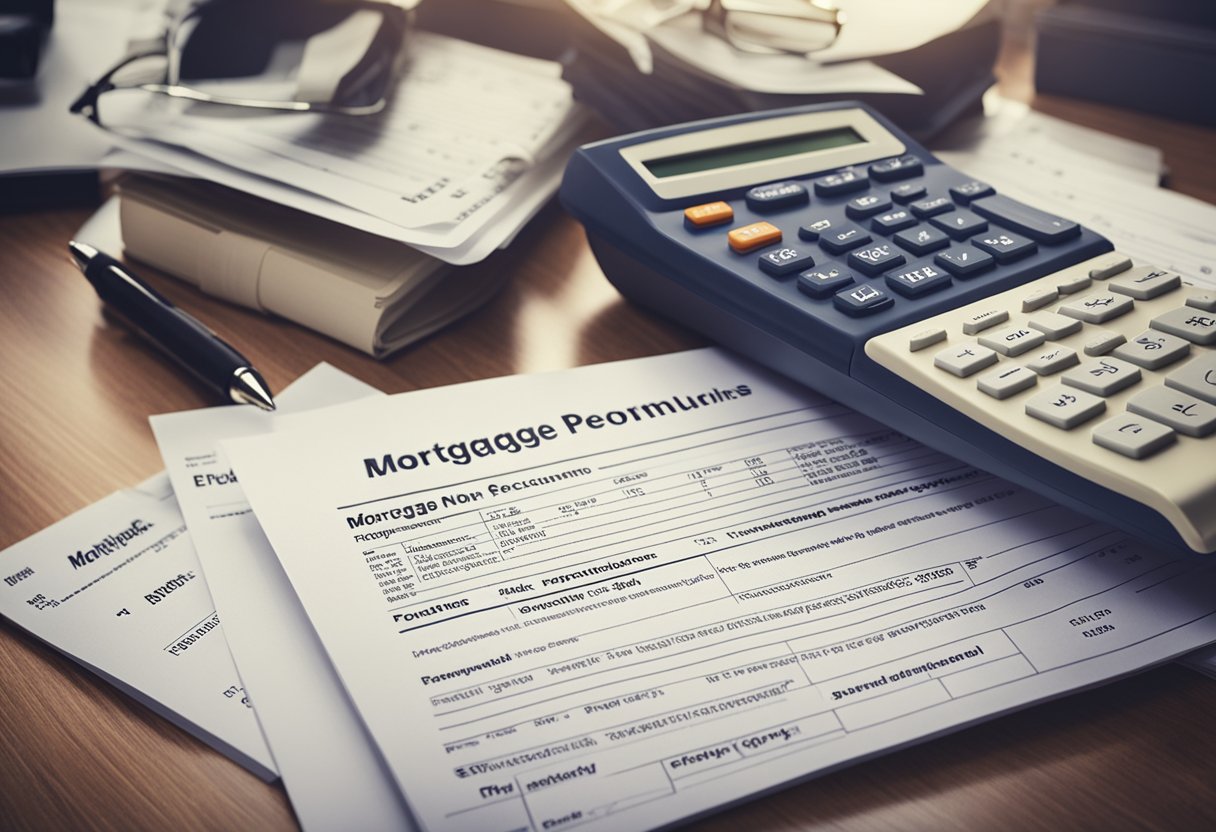
Buying non-performing notes can be a savvy move in the world of real estate investment. These are loans where the borrower is not making the expected payments. An investor can purchase these notes, often at a discount, with the chance to potentially restructure the loan or foreclose to gain a property at a reduced cost.
Investors are attracted to non-performing notes because of the potential for high returns. The discount on the purchase price creates an opportunity for profit if managed effectively. Those interested in exploring this market should consider the risks and conduct thorough due diligence before proceeding.
The world of non-performing notes offers various strategies. Investors may decide to modify the loan terms, allowing the borrower to catch up on payments. Alternatively, they might choose to foreclose and take ownership of the property, possibly leading to greater gains. Understanding these strategies is key to making informed, profitable decisions.
Understanding Non-Performing Notes
Non-performing notes are a unique part of the financial world. These are loans that borrowers haven't made payments on for 90 days or more. At this point, they become known as non-performing loans or NPLs. Banks and financial institutions often look to sell these notes to free up capital.
The notes generally come with collateral, like property, to back them up. This means if the borrower fails to pay, the lender can claim this property. The original principal balance and any due interest rate influence the note's value and recovery potential.
Non-performing notes can sometimes be acquired at a discount. Buyers of these notes work to turn them into performing notes. This effort involves restructuring the loan terms to help the borrower resume payments. The process requires skill to balance potential risks and returns.
Buying a non-performing note can involve complex negotiation and legally binding agreements. Investors must thoroughly research and evaluate the note's quality, the borrower's financial status, and the property's market value. This assessment ensures informed decision-making.
Table of Key Points
| Term | Description |
|---|---|
| Non-performing Note | Loan with missed payments for over 90 days |
| Collateral | Property or assets backing the loan |
| Principal Balance | Original amount borrowed |
| Interest Rate | Cost of borrowing money, expressed as a percentage |
| Performing Note | Loan where the borrower is making regular payments |
Important Note: This information provides a basic overview and potential investors should seek detailed financial advice.
Collaboration between buyers and financial institutions is crucial in this space. It involves crafting strategies and measures to regain loan productivity. Each non-performing note represents both a challenge and opportunity in the financial market.
Benefits of Investing in Non-Performing Notes
Non-performing notes offer unique investment opportunities. With high yield potential, they attract hedge funds and private equity. These investments allow for diverse strategies and can provide a source of passive income.
High Yield Potential
Investing in non-performing notes can lead to substantial returns. These notes are often acquired at a discount because they involve loans where the borrower has fallen behind on payments. This discount can mean higher profit margins when the note is resolved, either through loan modification, foreclosure, or property resale.
Hedge funds and private equity firms often include these notes in their portfolios to capitalize on profitable outcomes. While the process carries certain risks, the potential for higher yields draws experienced investors seeking to maximize their returns.
Diverse Investment Strategies
Non-performing notes provide varied strategies for investors. Individuals can focus on short-term gains with quick resales, or they can aim for long-term income through restructuring loans to become performing again. This flexibility appeals to different types of investors, whether they prefer active management or a more passive approach.
Private equity firms might use these notes to stabilize assets within a larger investment scheme. By employing different strategies, investors can spread their risk and modify their approach based on market conditions, creating opportunities for tailored success.
Risks and Considerations

Buying non-performing notes presents potential hurdles and complexities. Challenges can arise in conducting thorough due diligence, which might lead to unforeseen legal and foreclosure issues. These risks require meticulous evaluation and a keen understanding of possible pitfalls.
Due Diligence Challenges
Proper due diligence is crucial when purchasing non-performing notes. Investors must evaluate the property value, the borrower's financial situation, and any existing liens. Failure to gather accurate data can result in costly mistakes.
Non-performing notes often come with limited information. Accessing comprehensive documents and updates about the borrower's payment history and details on the property itself can be difficult. This can leave investors in the dark, increasing uncertainty.
In addition, the condition of the property can be unpredictable. Without reliable access, investors may inherit properties needing costly repairs. As a result, beyond initial note prices, they may face potential extra expenses down the line.
Legal and Foreclosure Complexities
Legal issues in the non-performing note market can lead to significant complications. Foreclosure laws vary by state, adding layers of complexity to the process. Understanding these laws is vital for smooth transitions in ownership and recovery of investments.
Foreclosure processes can be lengthy and require navigating numerous legal steps. Various stakeholders, such as lienholders or local authorities, may have interests in the property. Each needs addressing before clear ownership ensues.
Various liens and competing claims can complicate foreclosure. If not identified early, these can delay proceedings. Investors must be aware of potential issues to prevent unexpected legal battles and associated costs.
The Acquisition Process

Acquiring non-performing notes involves key steps, such as finding the right opportunities and evaluating them carefully before completing the purchase. It requires dealing with various parties, like note sellers, brokers, and title companies.
Sourcing Opportunities
Sourcing is the initial step in acquiring non-performing notes. Opportunities often come from note sellers, who may list notes for sale. Brokers can also play a crucial role by connecting buyers with these sellers. They typically have access to a broader range of options and can help buyers find notes that fit specific criteria. Online marketplaces are another useful platform for discovering notes. Networking can also lead to sourcing opportunities. Attend industry conferences or join professional groups to meet potential sellers and other investors.
Assessing Note Value
Once a potential note is sourced, assessing its value is crucial. This involves determining the market value of the underlying asset. Reviewing payment history and current financial conditions helps in understanding the potential return. Servicers might be involved in this process, as they manage the notes. Analyzing the legal standing is essential, ensuring no legal issues. A title company might be consulted to confirm that the title is clear and free of liens. Due diligence at this stage prevents future complications.
Closing the Deal
Closing the deal is the final step of the acquisition process. Negotiating terms with the note seller or broker is often necessary to ensure a fair price and agreeable terms. After negotiations, a formal agreement is drawn up. The buyer might work with a title company to ensure all paperwork is in order. Funds are typically transferred through a secure method, such as an escrow account. Upon completion, the buyer takes control of the note. With the assistance of brokers and servicers, the closing phase ensures a seamless transition of ownership.
Managing Non-Performing Notes
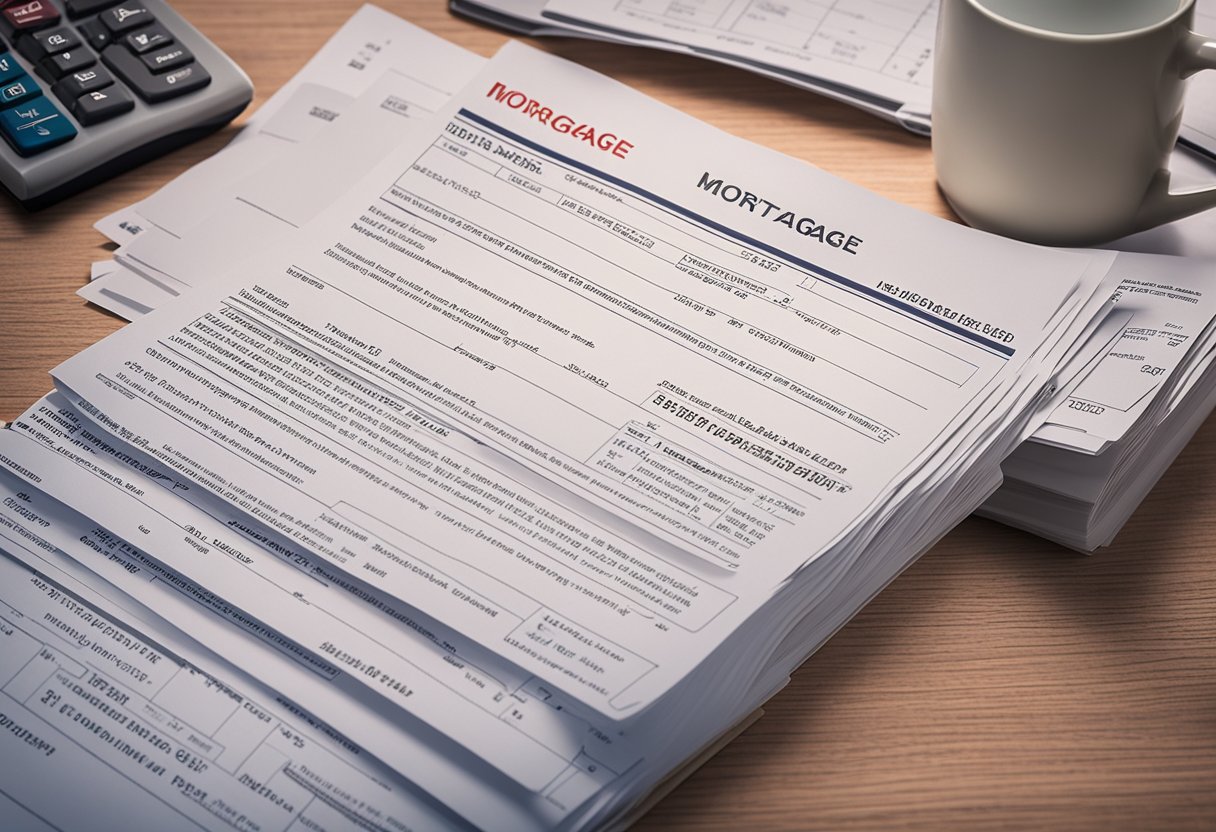
Effectively managing non-performing notes involves using resolution strategies, modifying loans, and collaborating with servicers. Understanding these aspects is essential to increase recovery chances and minimize losses.
Strategies for Resolution
Investors often explore multiple exit strategies to handle non-performing notes. Foreclosure is one common approach, allowing investors to repossess and sell the property. Another method is short sales, where the property is sold for less than owed, easing some financial burden.
Deed-in-lieu of foreclosure is another option, where the borrower hands over the property voluntarily. Each strategy should be considered carefully, balancing time, cost, and potential returns. Legal implications and market conditions also play crucial roles in deciding the best path forward.
Loan Modification and Workouts
Loan modifications adjust terms to make payments more manageable for borrowers. Lowering interest rates, extending loan terms, or reducing principal amounts can prevent foreclosure and improve recovery.
Workout plans are agreements to pay overdue amounts over time. Successful modifications require clear communication with borrowers to assess their financial capacity. It's essential to draft terms that both parties can realistically sustain, ensuring a stable resolution.
Collaborating with Servicers
Servicers are key players in managing non-performing notes. They handle day-to-day operations and ensure that the terms of modification or workouts are met. Reliable servicers possess robust systems for managing borrower interactions, tracking payments, and providing regular updates.
Choosing the right servicer involves evaluating their expertise in handling distressed assets. Strong collaboration between investors and servicers can streamline processes and enhance the chances for successful resolution. Effective servicers can significantly impact the outcome by optimizing strategies to manage and resolve non-performing notes.
Exit Strategies and Recovering Investments

Investors looking to buy non-performing notes have several exit strategies. These strategies can help them recover investments effectively. Key methods include executing a short sale, navigating foreclosure, and reselling real estate notes.
Executing a Short Sale
A short sale occurs when a property is sold for less than the amount owed on the mortgage. It can be a quick way to recover investments. An investor may negotiate with the borrower and lender to accept this sale.
This agreement often prevents foreclosure, which can be lengthy and costly. A short sale may benefit the borrower by minimizing credit damage. It can also allow the investor to regain some funds promptly.
For a successful short sale, understanding the property's market value is crucial. Proper documentation and clear communication between all parties can accelerate the process and result in a smoother transaction.
Navigating the Foreclosure Process
When a borrower cannot pay, foreclosure is an option. It involves legally taking ownership of a property. This process tends to be longer and more complex than a short sale.
First, investors must adhere to state laws and procedures. This ensures that they can take possession legally and sell the property later. It's essential to be aware of timelines and required paperwork.
Auctioning the property publicly is a common way to sell foreclosed homes. Investors might secure profitability if the property's market value is high. Legal fees and other costs can add up, so careful planning is necessary to maintain profit margins.
Real Estate Note Resale
Another option is reselling real estate notes to other investors. This can be done if they decide not to pursue direct property ownership. The resale market relies heavily on factors like interest rates, note terms, and the local real estate climate.
Investors need to evaluate notes carefully to entice buyers. Presenting clear financial projections of the note’s value can make a sale more attractive. Engaging with experienced brokers may also streamline the selling process.
Reselling allows investors to transfer the risks and potential rewards to another party. It can offer a favorable exit strategy while recovering most or all of their initial investment.
The Note Business Ecosystem
The note business ecosystem includes a variety of key stakeholders. These include community banks, credit unions, private investors, and real estate investors. Each plays a different role in shaping and growing the note market. Understanding their contributions can help one navigate this complex ecosystem more effectively.
Role of Community Banks and Credit Unions
Community banks and credit unions are significant players in the note business. They have an important role in originating loans, which later become notes sold in the market. These institutions are often more flexible than bigger banks, providing tailored lending solutions.
They focus on building local relationships, which enhances trust and reliability. Their approach often results in quality notes, as local borrowers are typically more accountable.
Additionally, community banks and credit unions help create a steady pipeline of notes. Their local expertise and insights into borrowers' needs can lead to better risk assessments and management, making them fundamental to the note ecosystem.
Engaging with Private Investors
Private investors bring fluidity and capital to the note business. They are often more willing to take on the risks associated with non-performing notes in exchange for potential high returns. This risk tolerance makes them essential in acquiring and rehabilitating distressed assets.
These investors typically have a more hands-on approach. They actively manage their investments, sometimes working with borrowers to restructure loans. This involvement can lead to transforming non-performing notes into re-performing ones, thus recovering value.
Through auctions and private sales, private investors offer liquidity to the note market. Their engagement helps maintain market balance and creates opportunities for profit and growth.
Building Professional Networks
Building a strong professional network is crucial in the note business ecosystem. It facilitates the sharing of vital information and insights among stakeholders. This can lead to strategic partnerships, which are essential for navigating challenges in the market.
Networking also opens doors to potential deals. Establishing connections with experienced real estate investors can be beneficial, as they often share knowledge about market trends and investment strategies.
Professional associations and industry events provide platforms to meet key players in the note industry. These gatherings enhance knowledge, expand connections, and create opportunities to collaborate on lucrative deals, contributing to overall success in the note business ecosystem.
Navigating Regulations and Compliance
Buying non-performing notes involves understanding and following laws that can differ by state and city. Each location might have its own rules about how these transactions happen. Investors should research requirements in each area they plan to operate in.
Banks and financial institutions must also follow strict guidelines. These rules might influence how and when they sell non-performing notes. Investors should be aware of these factors to better navigate the process.
Familiarize with federal regulations that govern loan transactions. These laws are in place to protect both buyers and borrowers, ensuring a fair market.
Due diligence is crucial. Investors should thoroughly check each note for any legal issues or liens. Ignoring this step could lead to unexpected complications or financial losses.
Consulting with legal and financial experts can make understanding these regulations easier. Professionals in these fields can provide guidance on compliance and help investors avoid mistakes.
Creating a compliance checklist might help keep track of necessary steps. Making sure all legal and regulatory parts are covered can prevent problems during deals.
Stay informed of updates in regulations, as rules might change over time. Regularly reviewing them ensures continued compliance.
Future of Non-Performing Notes Investing
The future of investing in non-performing notes looks promising. Many investors see potential in buying these notes due to the chance of high returns. They purchase mortgage notes for sale from banks at a discount. This allows them to profit by restructuring loans or selling properties.
Market trends indicate growing interest in this type of investment. The number of non-performing notes has increased in recent years. This is attracting both individual and institutional investors. They are keen to capitalize on the opportunities presented by distressed assets.
Key Benefits of Investing in Non-Performing Notes:
- High Yield Potential: The possibility of earning more compared to traditional investments.
- Portfolio Diversification: Adding non-performing notes can provide balance to an investment portfolio.
- Control Over Investment: Investors have options to renegotiate terms with borrowers.
However, it's crucial to understand the risks involved. The process requires thorough research and careful management. Investors must be prepared for potential challenges in recovering investments.
The market continues to evolve, with technology playing a major role. Digital platforms make it easier to find and evaluate potential investments. They provide investors with valuable data and trends to make informed decisions.
With careful planning and insight, investing in non-performing notes can be a lucrative opportunity. Staying informed about market trends and technological advancements will help investors navigate this sector successfully.
Keep reading
 Insights
The Finresi Fund: A Deep Dive into Diversified Real Estate Debt Investing in 2026
The Finresi Fund is a pooled real estate debt vehicle giving accredited investors diversified exposure to private loans, including fix-and-flip, bridge, and construction financing. It offers passive income through interest distributions while spreading default risk across an entire loan portfolio.
 Insights
A Look Inside a Live Deal: Anatomy of a Fix-and-Flip Loan Investment
Fix-and-flip loan investments give accredited investors a first lien position on short-term real estate debt, typically yielding 8–12% annually. Walk through a live deal to see exactly how capital is deployed, protected, and returned.
