
Insights · November 4, 2024
Land Investing Online: A Comprehensive Guide to Digital Real Estate Opportunities

Investing in land online offers a unique opportunity for those seeking to venture into real estate. With the power of online platforms, investors can explore properties across regions without leaving home. This convenience makes it easier than ever to get started in land investing.
Land investments can pave the way toward financial freedom. Many see it as a stable and tangible asset, unlike stocks that can be volatile. By focusing on strategic locations, investors can increase their wealth over time.
Real estate continues to be a pillar of wealth building. The digital shift in land investing presents both accessibility and potential profits. Understanding market trends and valuations online can equip investors to make informed decisions.
Understanding Land Investing
Land investing involves purchasing plots of land as a form of real estate investment. This can lead to passive income and has various benefits and types, but it also comes with some misunderstandings.
Benefits of Land Investing
Investing in land can be lucrative. Unlike properties, land does not have wear and tear. Land requires no repairs or renovations, reducing ongoing costs. It also offers flexibility in usage. Investors can choose to develop it, lease it, or hold it for appreciation.
Another advantage is potential for passive income. Leasing land can provide regular earnings with little effort. Land often appreciates over time, adding value to an investment portfolio. It can also serve as a hedge against inflation, preserving the investor's wealth.
Additionally, the land market tends to be less volatile than residential real estate. This stability appeals to many investors seeking a reliable asset. Investing in land can diversify a portfolio, reducing risk and increasing growth potential.
Types of Land Investment
Land investments come in several forms. Raw land is undeveloped and can be held for future development. Agricultural land can be leased for farming, providing income and potential tax benefits. Buying plots near developing areas often leads to significant appreciation.
Commercial land is another type, offering business opportunities. Investors might develop these for retail or office use. Timberland is also an option, where trees provide a renewable resource that can be sold periodically.
Some invest in residential land to build homes or apartments. These investors focus on location and market trends to maximize potential returns. Each type of land investment comes with unique opportunities and challenges, making research crucial.
Common Misconceptions
Many believe that land investing is too risky or complicated. In reality, it can be a stable investment if approached wisely. Some think land does not generate income, but leasing opportunities exist in various forms.
Another misconception is that large capital is needed to start. There are diverse land parcels available at different price points. Financing options can also make it accessible.
People may assume all land appreciates equally. Market trends and location greatly affect land value. Research is essential to understand these factors and make informed decisions. Misunderstandings can be avoided with the right knowledge and planning.
Developing Your Land Investment Strategy

Creating a clear land investment strategy is essential. It involves setting specific goals, choosing a business model, and balancing risks and returns. The right approach can guide investors to smart decisions in real estate.
Setting Your Investment Goals
Investment goals help define what success looks like. Some may aim to flip land for quick profits. Others might focus on long-term value through leasing or resale after appreciation. Goals can include earning a certain return per year or building a diverse property portfolio.
Investors should consider their financial situation and timeline. Goals should be realistic and align with personal priorities. For example, someone looking for quick returns might prioritize land in rapidly growing areas.
Choosing Your Business Model
Selecting a business model dictates how one approaches land investing. Common models include buy-and-hold, land flipping, and development. Each has its own benefits and challenges.
- Buy-and-Hold: Investors purchase land and wait for it to appreciate. This is suitable for those interested in long-term growth.
- Land Flipping: This involves buying land at a low price and selling it at a higher price soon after. It requires market knowledge and timing.
- Development: Involves improving land and selling or leasing it. This strategy requires more capital and understanding of zoning laws.
Choosing the right model depends on the investor's expertise, risk tolerance, and resources.
Assessing Risk and Return
Understanding risks and potential returns is crucial in land investing. Each business model carries different levels of risk. For instance, land flipping might face market volatility, while buy-and-hold strategies require patience.
Careful risk assessment involves evaluating location, market trends, and economic conditions. Investors should weigh the costs of land against potential appreciation or income it might generate. An investor might use a risk-return table to visually compare opportunities:
| Risk Level | Expected Return | Suitable Model |
|---|---|---|
| Low | Moderate | Buy-and-Hold |
| Medium | High | Land Flipping |
| High | Very High | Development |
Decisions should align with financial goals and risk comfort level. Calculating potential returns helps in making informed, confident choices.
Conducting Due Diligence
Before investing in land online, careful investigation is crucial. This ensures that the property can be used as intended and that there are no hidden issues.
Understanding Zoning and Regulations
Zoning laws and regulations govern how land can be used. Investors must research zoning classifications to ensure that their planned use, such as residential or commercial, aligns with local rules.
Consulting local government websites or zoning offices can provide details. Setbacks, height restrictions, and property line rules may also affect development plans. These factors can greatly impact your investment strategy.
Key Considerations:
- Zoning classifications
- Local zoning changes
Use restriction
Evaluating the Property's Potential
Analyzing a property's potential involves looking at its location, size, and accessibility. Investors should assess whether the land meets their goals and expectations.
Location is vital - proximity to infrastructure and amenities can raise property value. Soil quality and topography also matter, especially for agricultural or construction purposes. These elements combine to determine if the property is a good investment.
Key Points:
- Location advantages
- Soil and topography
Infrastructure access
Partnering with Professionals
Involving professionals like a title company or real estate attorney can prevent legal issues. A title company ensures the title is clean and free from liens. Real estate attorneys help with legal paperwork and confirm compliance with local laws.
Engaging experienced professionals provides peace of mind and ensures that all aspects of the investment have been thoroughly examined.
Professional Roles:
- Title checks
- Legal document review
Compliance verification
Acquiring Your First Land Parcel
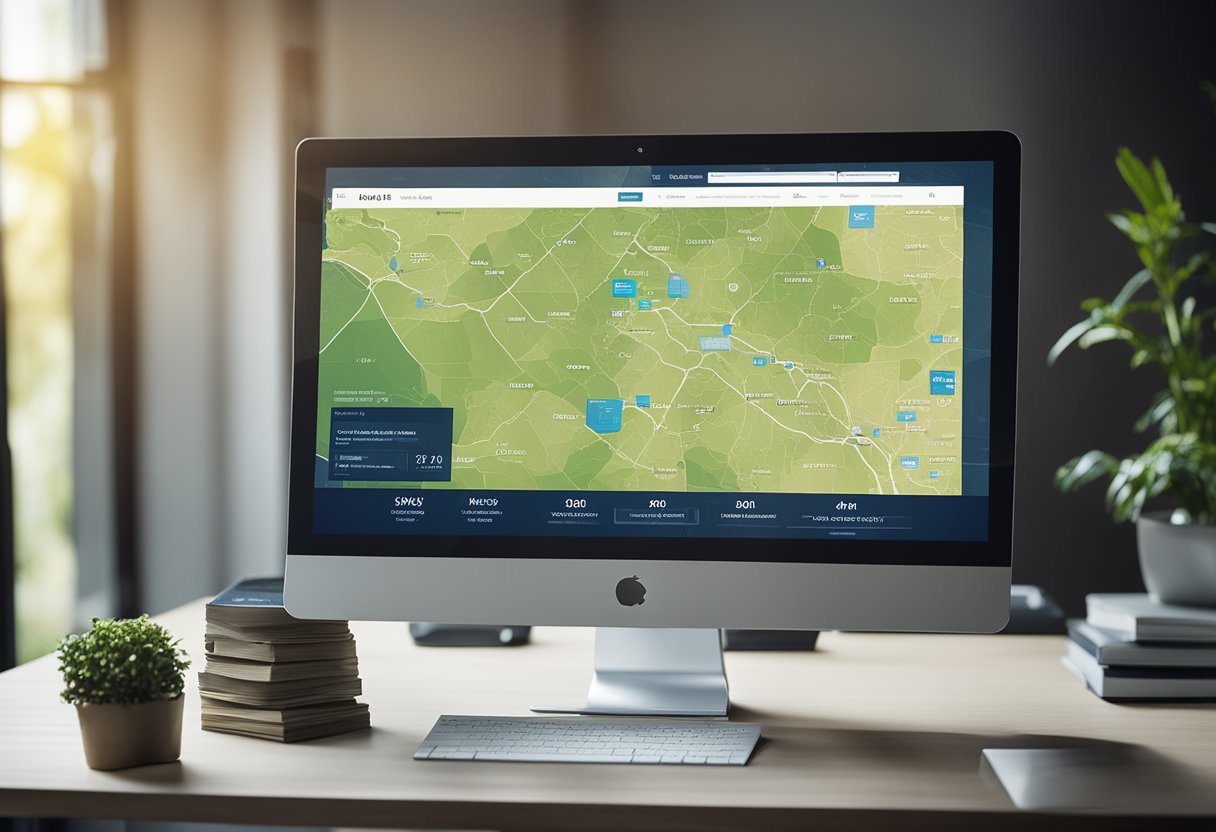
Buying land is a significant step towards financial freedom. Understanding financing, the buying process, and useful tips can make this journey smoother. Research is crucial to ensure a successful land investment.
Financing Land Investments
Financing is the first step in acquiring land. Many buyers use personal savings, bank loans, or seller financing. Bank loans for land usually require a higher down payment than traditional mortgages. Interest rates can also be higher. Seller financing may require less upfront money and offers more flexible terms.
Exploring government programs offering land purchase grants is another option. These are often targeted at specific groups like veterans or first-time buyers. It's important that buyers have a clear budget plan from the start. Careful budgeting helps identify how much land they can afford.
Navigating the Buying Process
Understanding the buying process is vital. It starts with thorough research of the land, including zoning laws and potential land uses. Legal aspects must be addressed, such as verifying the title and any liens.
Hiring a real estate agent specializing in land can benefit first-time buyers. They provide expert guidance and help negotiate the best price. An inspection is also recommended to avoid future problems. After these steps, a purchase agreement is signed, and the deal closes with a land deed.
Tips for First-Time Land Buyers
First-time buyers should consider location carefully. Proximity to water, road access, and future development plans can all influence the land's value. Buyers should spend time visiting potential properties to assess their value and suitability.
Working with professionals is essential. Real estate agents, attorneys, and surveyors offer invaluable advice and protect buyers' interests. Networking with other land investors can also help gain insights and advice. Buyers should remain flexible and patient, ready to adapt their plans as needed for successful investments.
Effective Marketing Strategies

To succeed in land investing online, it is important to build a strong brand and use digital and direct marketing channels. This helps in reaching potential buyers and creating a trustworthy image. The following sections present different marketing strategies that can aid in achieving these goals.
Building a Strong Brand
A strong brand is essential in setting a land investment business apart from others. It should convey trust, expertise, and dependability. Brand imagery like a professional logo and well-designed website makes a strong first impression.
Next, crafting a clear mission statement and core values helps others understand business aims. Consistent brand messaging across social media and other channels ensures the brand remains memorable.
Customer reviews and testimonials also strengthen the brand. They show evidence of satisfied clients, building credibility. Sharing these on the website and in promotions is key.
Leveraging Online Platforms
Online platforms provide many ways to connect with potential buyers. Social media sites like Facebook, Instagram, and LinkedIn bring broad visibility. Using these platforms for targeted ads helps reach the right audience efficiently.
Additionally, maintaining an active blog on a business website ensures updated and valuable content. This can improve search engine rankings and drive traffic to the site.
Email marketing remains a powerful tool. Collecting email addresses of interested buyers through newsletters or special offers can build a large database. Sending regular updates keeps the business top-of-mind.
Utilizing Direct Mail Campaigns
Direct mail campaigns play a role in reaching potential buyers directly. Well-crafted postcards or brochures with clear images and offers are effective. Highlighting property features captures interest.
Identifying the right audience for mailings is crucial. Tools like targeted mailing lists ensure materials reach the most interested buyers. Following up with personalized emails or phone calls increases engagement.
Another key tip is to track the success of each campaign. This helps refine strategies and focus resources on the most successful methods. Monitoring response rates and feedback allows for continual improvement of marketing efforts.
Maximizing Profits Through Land Flipping

Successful land flipping requires smart decisions when buying, negotiating fair prices, and effectively managing the selling process. Investors must know how to spot profitable deals and have strong negotiation skills.
Finding the Right Deals
Investors should look for land with potential value increases. This can include areas with planned developments or proximity to growing urban centers. Conducting thorough market research is key.
Resources like online real estate platforms and auction sites can help identify opportunities. Monitoring trends and local news helps in understanding the potential growth of land value.
Understanding zoning laws and restrictions is crucial, as they impact future land use. Consulting with local real estate experts can provide additional insights.
Negotiation Techniques
Effective negotiation is vital in securing profitable deals. It involves not just price, but also terms and conditions. Being informed about land values in the area is important.
Building rapport with sellers can lead to better deals. Clear communication and patience often result in favorable outcomes.
Investors might use tactics like offering quick closures or purchasing with cash to negotiate lower prices. This can make their offers more attractive to sellers looking to sell quickly.
Closing and Reselling Processes
After purchasing the land, the focus shifts to closing and reselling. Ensuring all legal documents are in order is essential. It's important to work with trusted legal advisors.
Marketing the land effectively is key to reselling. Utilizing online platforms and local listings can reach a wider audience. Highlighting key features and the investment potential attracts buyers.
Setting a competitive price based on market trends can help in selling quickly. Offering flexible payment options can also open up more buyer interest, which increases the chances of a quicker sale.
Expanding Your Land Investing Knowledge
Investing in land online can be complex, but various resources can help enhance understanding and skills. Educational resources are essential for gaining foundational knowledge. Investor communities offer support and networking opportunities. Professional development helps in staying updated with the latest trends and techniques.
Educational Resources for Investors
Accessing the right resources is crucial. Land Academy Education Bundle provides comprehensive materials, including modules and guides. It explains concepts like land flipping, offering both beginner and advanced insights.
YouTube Content is another effective resource. Channels dedicated to land investing share practical tips and strategies. Some offer premium content, which dives deeper into niche topics. These channels can serve as valuable learning tools for both new and seasoned investors.
Joining Investor Communities
Engaging with a community can be beneficial for investors. Discord Community is popular for real-time discussions, sharing of experiences, and problem-solving. Members can ask questions and get tips on various aspects of land investing.
Networking through platforms like VIP Community provides personalized support and detailed advice. These communities often offer member pricing for exclusive content or tools. Small Group Training sessions are also available, allowing for more tailored learning experiences.
Professional Development Opportunities
Keeping skills sharp is vital. Professional development opportunities include webinars, workshops, and conferences. These events introduce investors to industry leaders and emerging trends.
Tools and resources offered during these events can equip investors with strategies and techniques to improve their approach. Land Flipping Education sessions frequently feature at these events, providing practical knowledge to help investors succeed. Learning more through these channels ensures investors are well-prepared and informed.
Leveraging Tools and Support
Investors can make smart decisions by using tools and getting support. Key resources include software technologies, market data analysis, and consultations with experts.
Software and Technologies for Investors
Land investors have access to various tools and software. These technologies can help in mapping and geographic analysis. Some popular options include GIS (Geographic Information Systems), which help visualize land plots.
Investment platforms often offer mobile apps to assist in property evaluations and tracking investments. Many tools are designed for easy use, providing users with essential data points and trends.
Training resources, like ebooks from Land Academy, can also support learning about these technologies, ensuring investors are equipped to make informed choices.
Analyzing Market Data
Analyzing market data is crucial for land investors. Access to real-time data helps in understanding market trends. Many platforms provide market analysis tools specifically tailored for land investment.
These tools can process vast amounts of information, making it easier to spot valuable opportunities. Investors look for data on property values, demand trends, and nearby developments.
With these capabilities, investors can predict future market movements, helping them to buy or sell at the right time. Consistent data analysis helps minimize risks and maximize returns.
Accessing Professional Consultation
Professional consultation can give investors vital insights. Land Academy's experts offer guidance that helps in understanding complex investment scenarios. Many services include free consultations initially, providing a risk-free way to gauge expertise.
Consultants can advise on potential pitfalls and suggest strategies tailored specifically to a client’s needs. This support is valuable in decision-making, reducing guesswork.
Accessing expert consultations ensures investors are not navigating alone, increasing the chances of successful investments. The combination of professional guidance and technological tools prepare investors for the market's challenges.
Keep reading
 Getting Started
Notes vs. Fund: Which Is Right for You?
Finresi offers two ways to invest: hand-picked individual notes or the diversified Finresi Fund 1. Here is how to choose between them.
 Platform
Understanding Principal Protection
Principal Protection is one of the features investors ask about most. Here is what it is, what it does, and what it does not promise.
